Cold Hardy Vegetables for Fall and Winter Gardening
Theres something quietly magical about a garden that doesnt quit when the weather cools. Most people pack away the tools after the first frost and wait out the long stretch until spring.
But if youve got a bit of patience and a few sturdy varieties, a whole second season of growing opens up right as the chill sets in.
Ive been digging through seasonal gardening readsLivingetc had a great winter garden feature not long agoand it really made me pause. So much of what we grow doesnt need sunshine and heat.
Some of the best flavour actually comes after a frost. Cold-hardy vegetables can hang on through snow, frost, and even a proper winter freeze, especially if you give them a little cover or choose the right spot.
Whether youre working with raised beds in Auckland or tucked-up planter boxes in the Midwest, this kind of garden is all about resilience.
Let the Cold Sweeten Your Brassicas
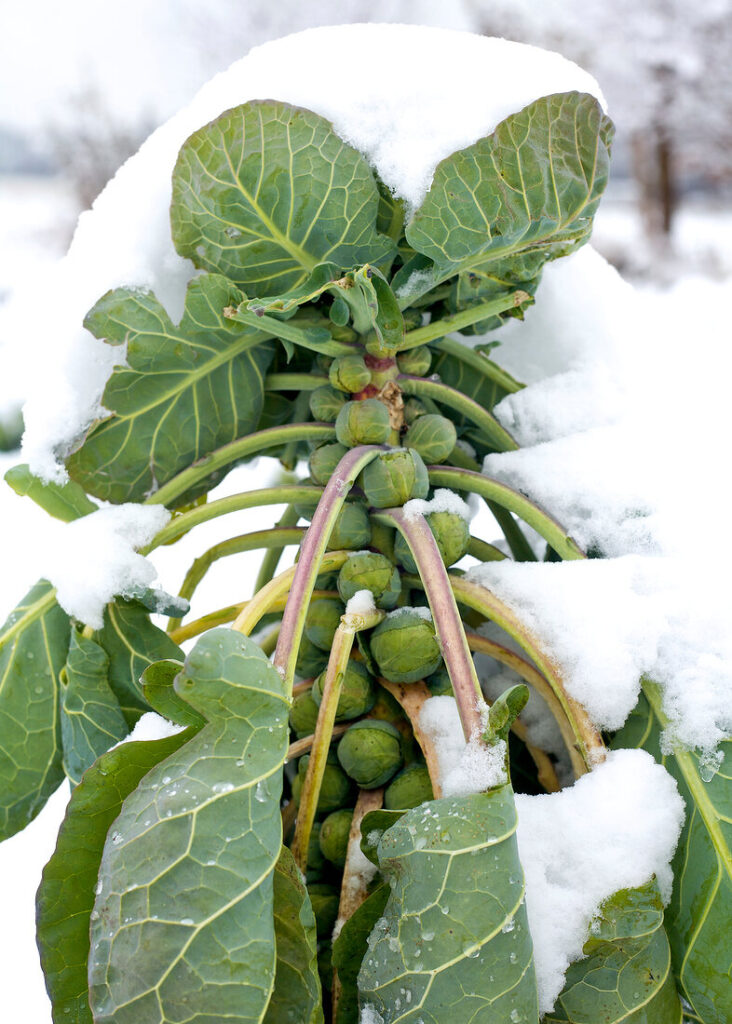
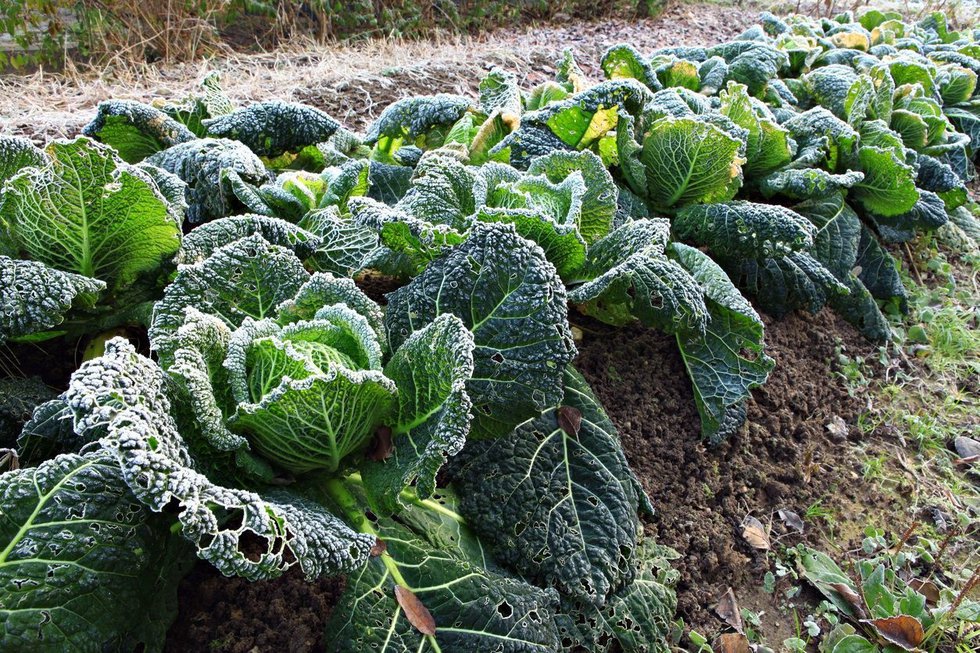
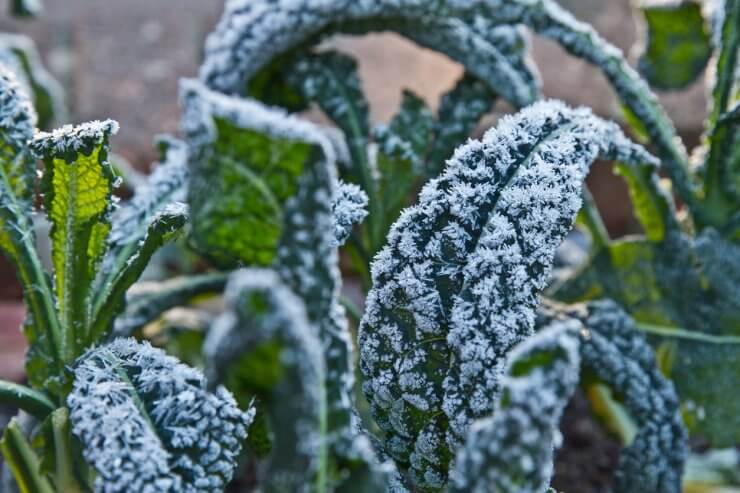
Brussels sprouts, kale, cabbagethese are the old soldiers of the garden world. Brussels sprouts in particular seem to love a good frost.
If youve never tried them after a snow dusting, youre missing out. They mellow and sweeten up, taking on that nutty, buttery depth you just dont get in summer.
Weve even had success potting up the entire plant, stripping the leaves, and keeping it in a dark cool corner inside when it gets too cold to leave them out. Its not glamorous, but it works.
You can stretch the harvest well into the new year with that little trick.
Root Crops That Thrive Under Snow
The ground acts like a natural fridge, which works in your favour. Beets, carrots, and parsnips dont just survive the coldthey actually taste better when theyve been through a frost or two.
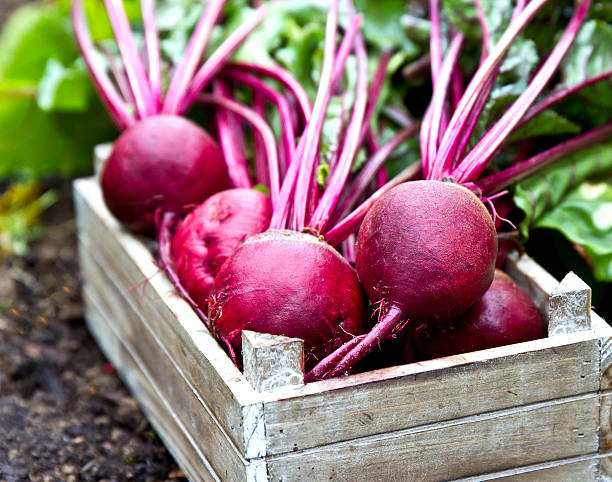
Thats because cold snaps help convert starches to sugar, turning these earthy roots into sweet little nuggets.
We usually leave ours in the soil until we really need them. Carrots picked in November are a whole different creature to the ones pulled in September.
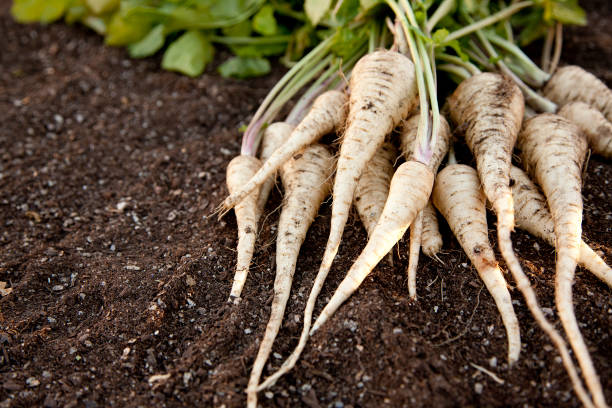
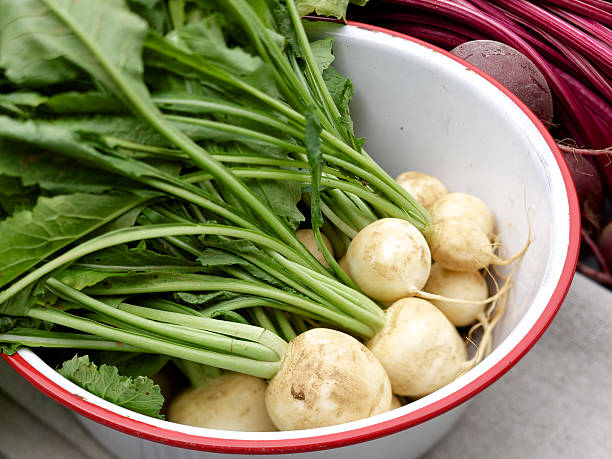
Turnips and rutabagas deserve a moment here too. Theyre often overlooked but roast up beautifully, and theyre tough as old boots when it comes to weather.
Dont Count Out Potatoes
Now technically, potatoes are tubers, not true roots. But theyre still cold-smart.
They evolved high in the Andes where cold nights were the norm. We plant our early potatoes a few weeks before the last frost and start harvesting little new potatoes about eight weeks later. That first dig-up is always a thrill.
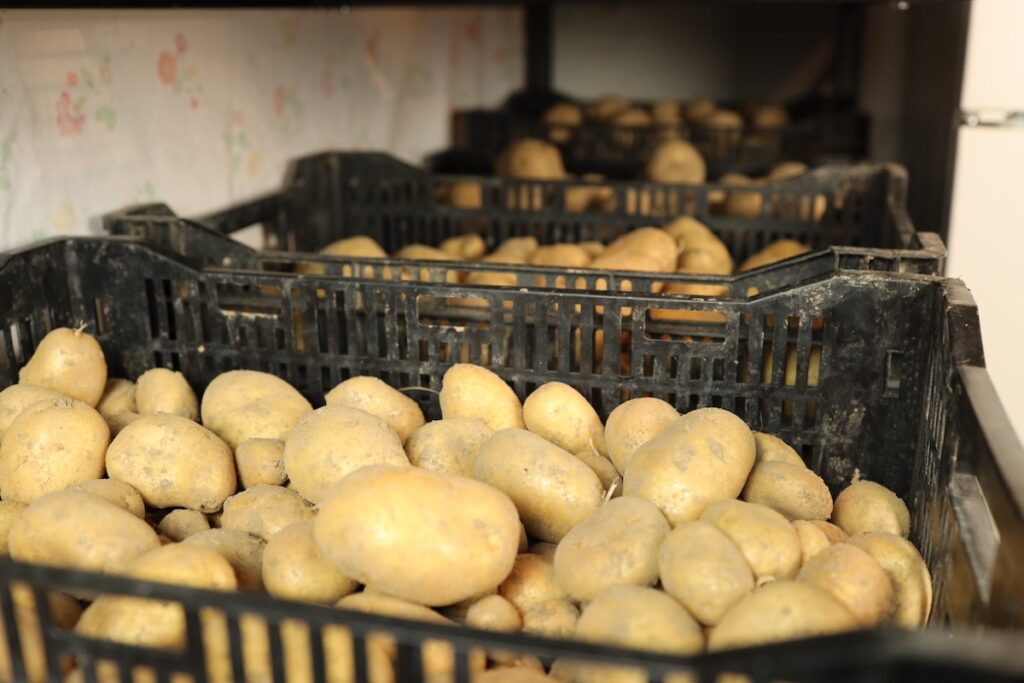
The storage varieties, though, we let go as long as possibleright up until the frost kills off the plants.
Thats when you know theyve packed on their last bit of size and starch. Then its cure, sort, and store for the winter pantry.
Growing Potatoes in Fall and Winter
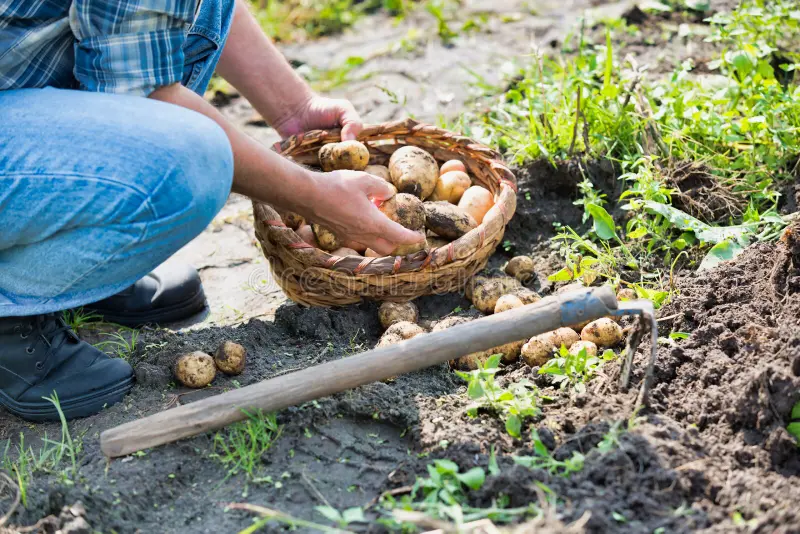
Now, most folks think of potatoes as a spring joband yes, early planting gives you those sweet little new potatoes by early summer. But fall and even winter planting is totally doable in milder climates or with a bit of creativity.
Potatoes are tougher than they look. These little underground workhorses originally came from the Andes, where frosty nights were a given. Thats why they dont mind a bit of chill.
If youre in a frost-prone area, heres how you can keep the potato party going later into the year:
For a Fall Potato Crop
The trick is timing. Youll want to plant your fall potatoes about 1214 weeks before your average first frost.
That gives them enough time to grow before the cold halts progress. In zones 6 and up, this can mean late July or early August. In warmer zones, youve got a bit more flexibility.
- Use seed potatoes (not grocery store onestheyre often treated to prevent sprouting).
- Cut them into chunks with at least one eye each and let them dry for a day.
- Plant about 1015cm deep, and cover with loose soil and compost.
- Water regularly, especially during hot spellsbut dont drown them.
- Hill up soil or straw every few weeks to keep the tubers covered and protected.
When the vines start to yellow and die back, its time to dig. Just be gentlefall soil is often a bit wetter, and potatoes bruise easily.
Overwintering Potatoes
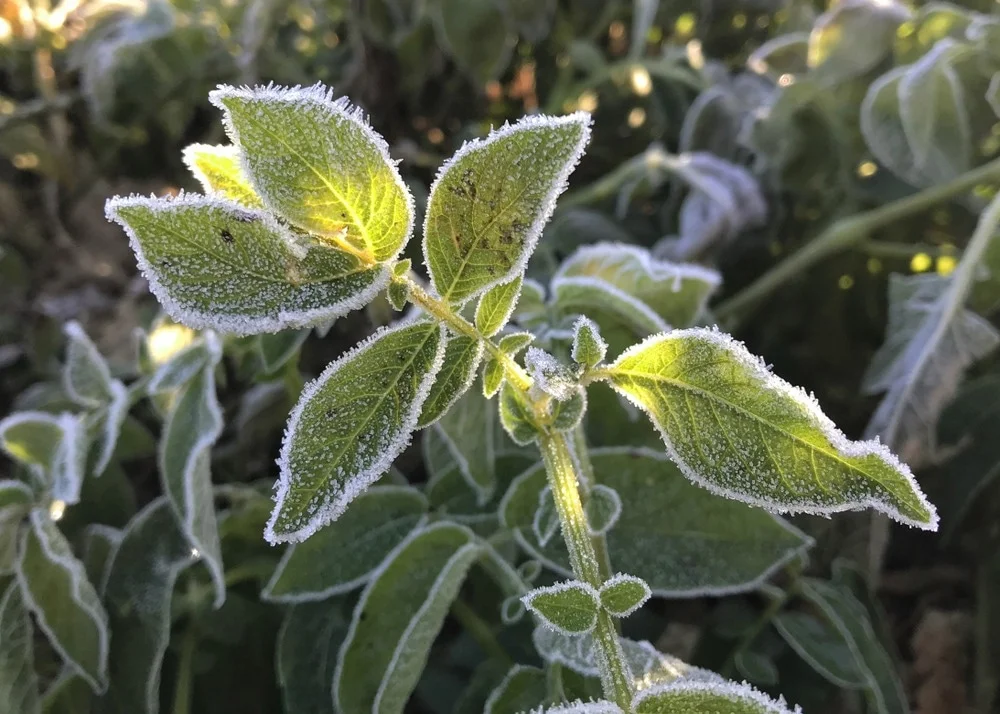
If youre in a very mild climate (think Zone 8 and above), or youve got a greenhouse or deep raised bed, you can actually overwinter potatoes. Heres how that works:
- Plant in autumn, just before your first light frost.
- Choose a sheltered spotup against a house wall or in a cold frame works well.
- Mulch heavily with straw, leaves, or even wool if youve got it. This keeps the soil insulated.
- Keep soil slightly moist, but never soggy.
- Come early spring, once the soil warms up a bit, theyll start pushing growth againand youll get one of the earliest crops possible.
Its a slower game than spring planting, but overwintering can give you strong early growth without needing grow lights or an indoor setup.
Leafy Greens That Dont Mind the Freeze
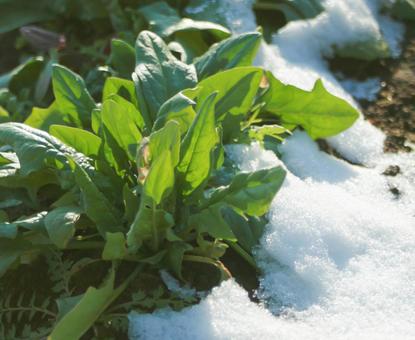
If youve got a cold frame, a greenhouse, or even just a light row cover, winter salad greens will reward you.
Spinach, mache (also called corn salad), claytonia, and arugula can push through even below-freezing nights, especially in zones 5 or warmer. And in milder winters, they dont just survivethey grow.
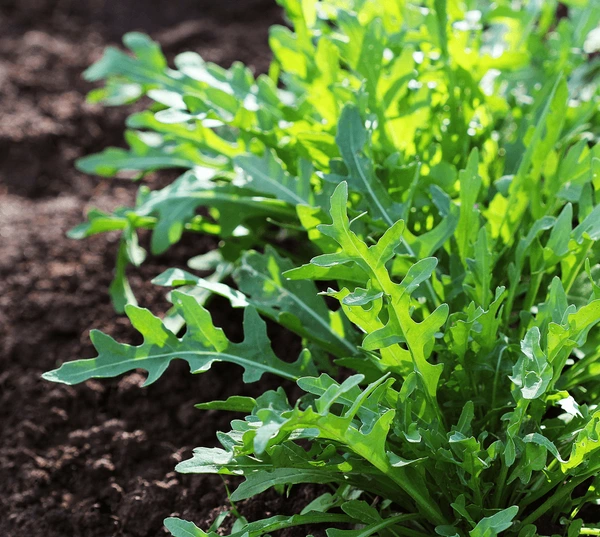
We trialled a few varieties in an unheated greenhouse one year. Even when temps dropped to -20°C, they kept ticking over, slowly but surely.
A handful of fresh greens in the middle of winter feels like such a luxury.
Asian Greens and Hardy Herbs
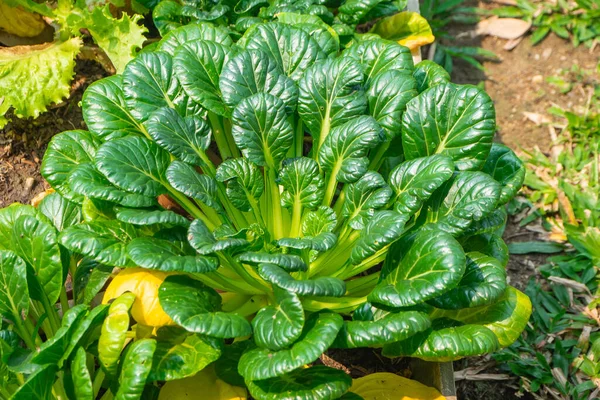
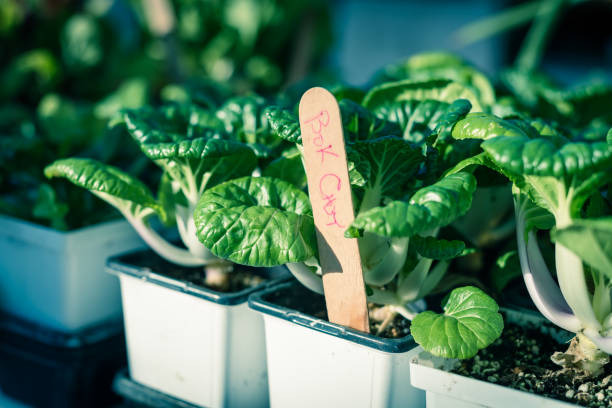
Asian greens like tatsoi and bok choy are surprisingly robust. Tatsoi has a lovely mild bite and does double duty in salads and stir-fries.
If youve got space, try a few rows under cloche or light covertheyll hold on right through late fall.
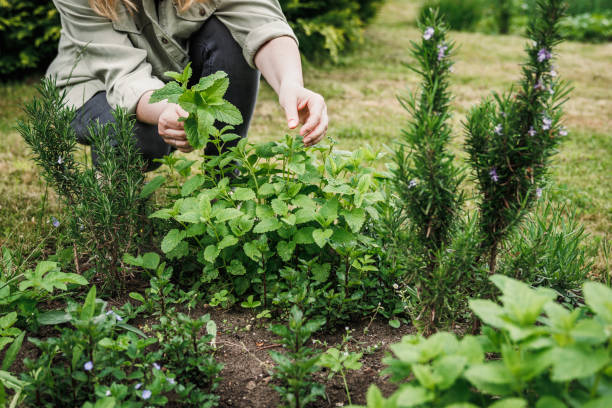
Cold-hardy herbs like thyme, sage, and chives will often keep growing into early winter.
Even in snowy areas, chives pop back up before almost anything else. Cilantro, too, loves a chill. Its a bit fussy about heat, so autumn is actually its moment.
Fruits That Hang In There
We usually think of fruit as a summer thing, but some varieties dont mind the cold. Everbearing strawberries, for example, can keep fruiting well into late autumn.
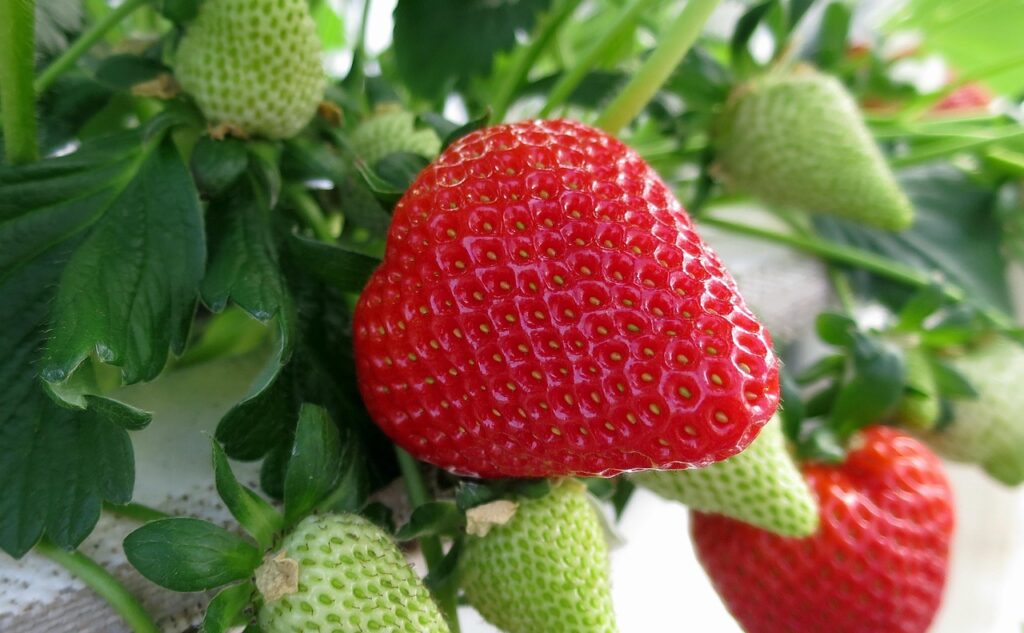
Some years, weve picked the last handful just before the snow rolled in.
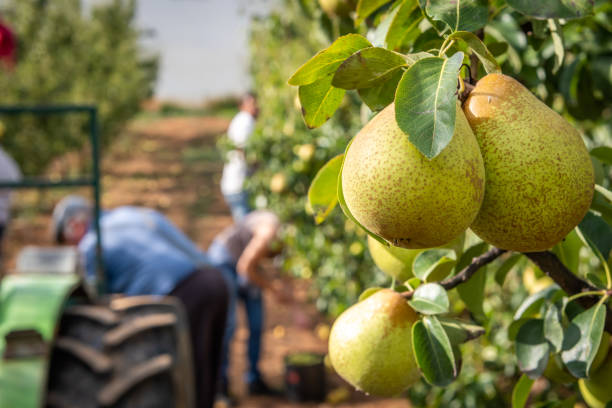
Apples and pears are also famously frost-tolerantat least for a light dip in temperature.
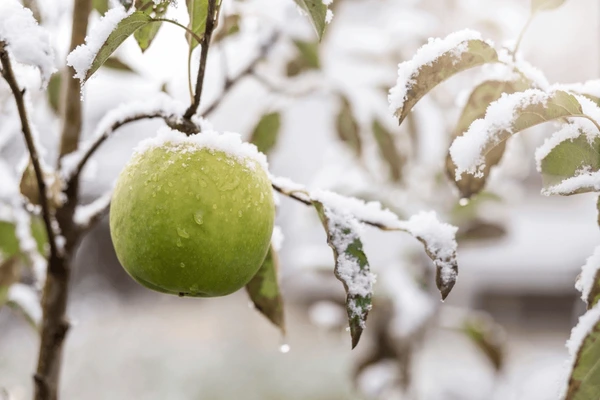
They sit pretty on the branches well into autumn, getting sweeter as they hold on.
A Few Final Thoughts
Cold-climate gardening isnt just about survival. Its about timing and choosing the right crops.
A lot of shade-loving plants overlap with frost-tolerant varieties, which makes sense if you think about itboth thrive in lower light and cooler conditions.
Heres a quick reference you might find helpful for your fall and winter garden planning:
| Crop Type | Cold Tolerance | Notes |
|---|---|---|
| Brussels Sprouts | Very High | Sweetens after frost |
| Carrots & Beets | High | Best flavour late season |
| Spinach & Arugula | High | Survives below freezing |
| Kale & Cabbage | Very High | Can overwinter in milder climates |
| Potatoes | Moderate | Harvest after plant dies back |
| Tatsoi & Bok Choy | High | Best under cover |
| Cilantro & Chives | High | Slow growers in cold, but persistent |
So if youre not quite ready to say goodbye to the garden when the frost hits, you dont have to.
With the right planningand a bit of weather-watchingyou can keep your garden productive well past the point most folks call it a season.
Its a good feeling, pulling a beet from frozen soil or watching a kale leaf unfurl under snow. Quiet work, but it keeps the soul warm.