How to Create a Blooming Indoor Flower Garden
Whether youre flatting in a tiny apartment or want to jazz up the lounge, an indoor flower garden isnt just prettyits proven to boost your health and happiness.
Why Indoor Gardens Matter: The Science
NASAs 1989 Clean Air Study found that common indoor plants can remove volatile organic pollutants like benzene, formaldehyde, and trichloroethylene from indoor air. The research showed that plant roots and soil microorganisms do most of the air-cleaning work.
For mental health, active interaction with indoor plants reduces physiological and psychological stress by suppressing sympathetic nervous system activity and lowering blood pressure.
A comprehensive review found that all studies aligned to the idea that indoor plants benefit mental health by reducing stress, depressive symptoms, and negative emotions.
The key finding: time spent tending to plants is more beneficial than just owning them.
Best Indoor Flowering Plants
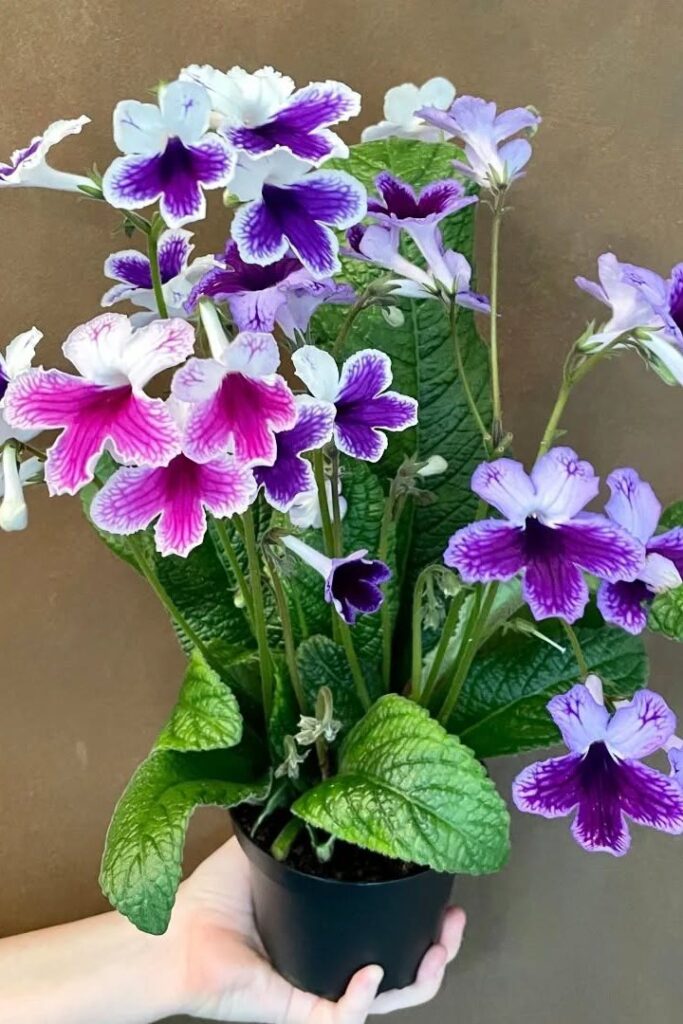
African violets Bloom year-round in bright, indirect light. Made NASAs air purification list.
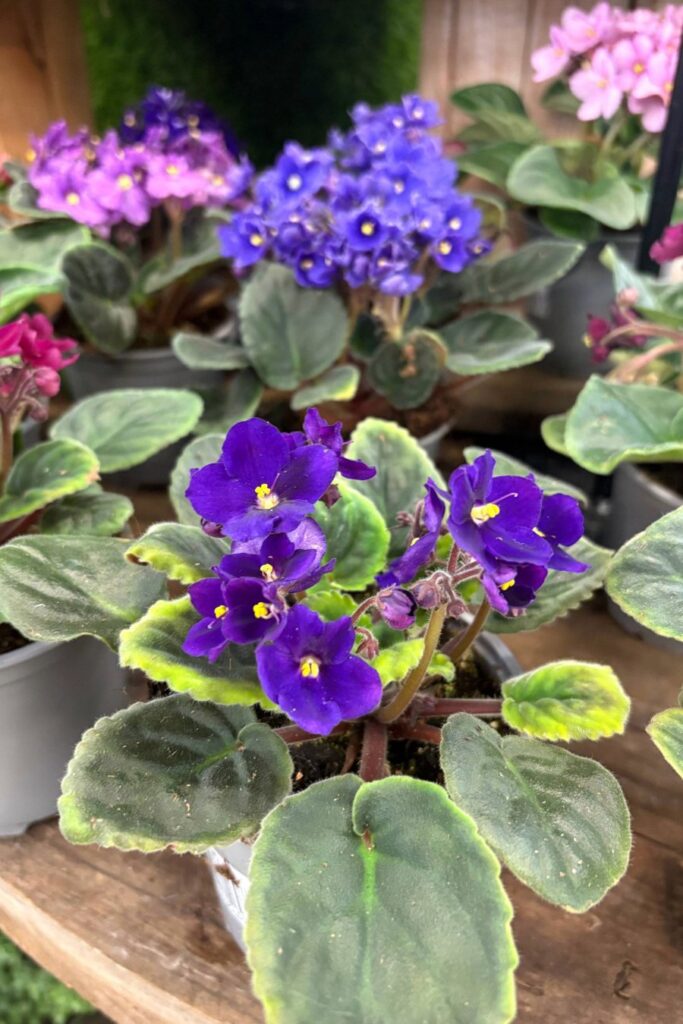
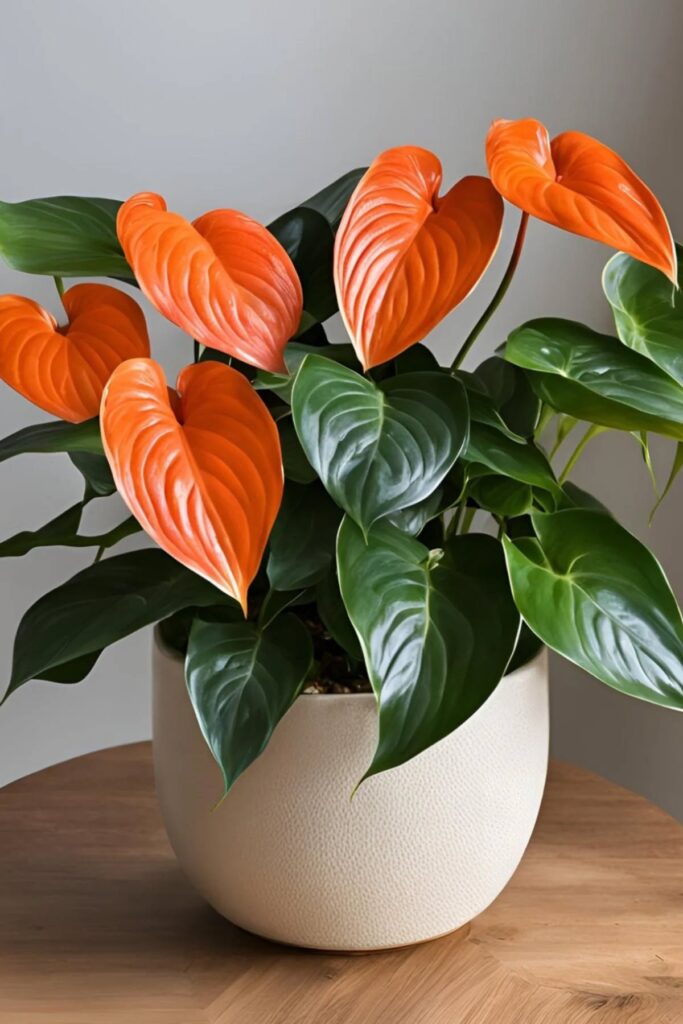
Peace lilies Particularly effective at removing formaldehyde and benzene. Thrive in low light and high humidity.
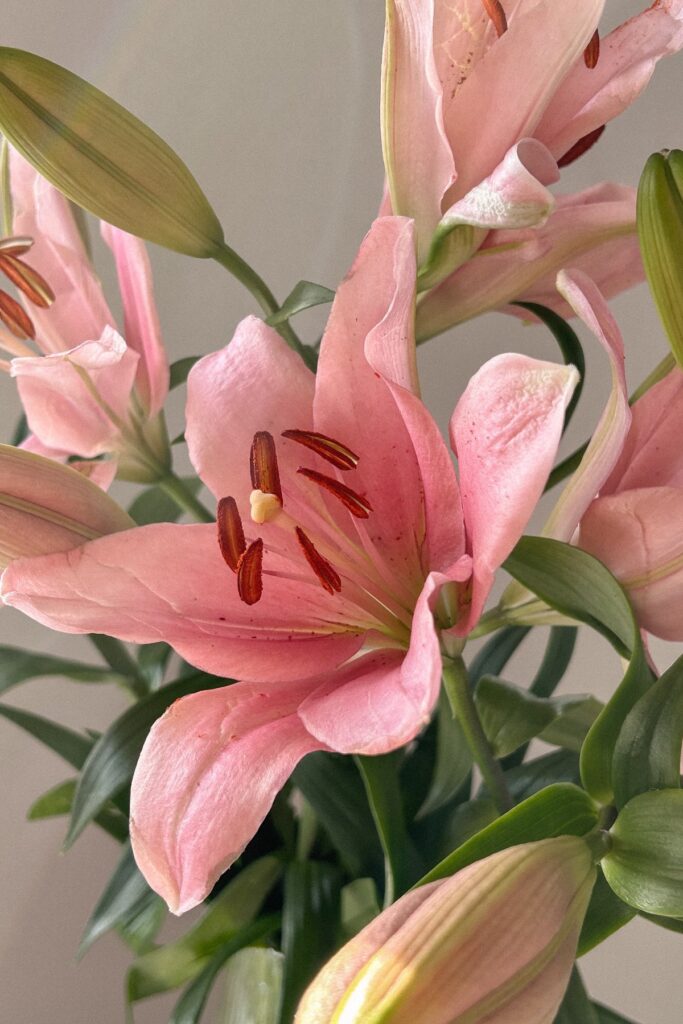
Begonias Showy bloomers that improve indoor humidity levels. Some varieties bloom all winter indoors.
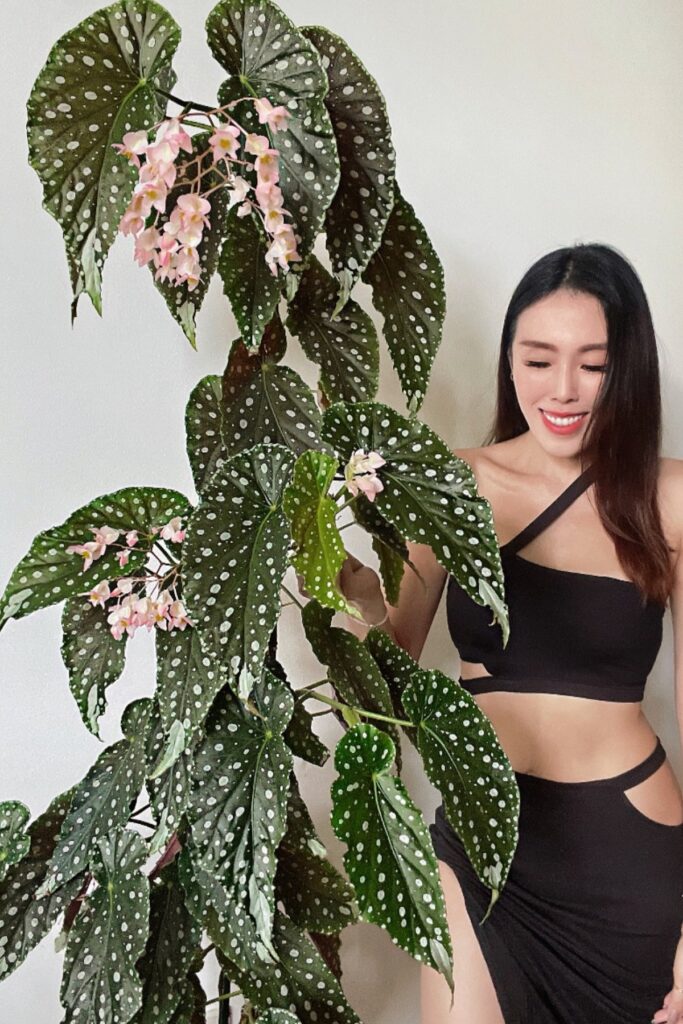
Orchids (Phalaenopsis) Release oxygen at night, making them perfect for bedrooms. Water weekly.
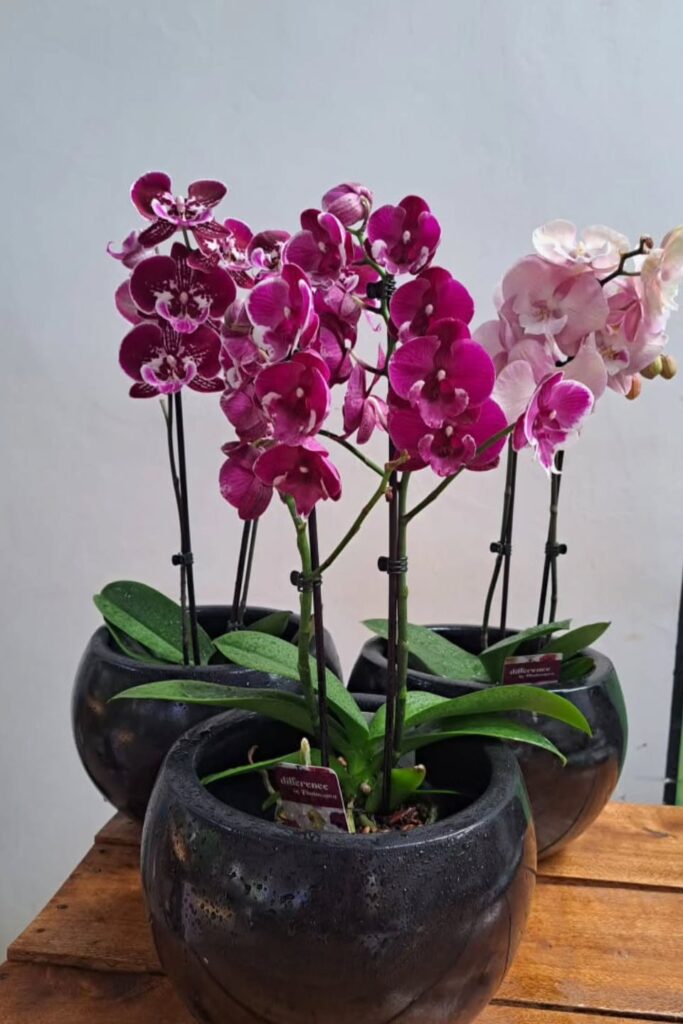
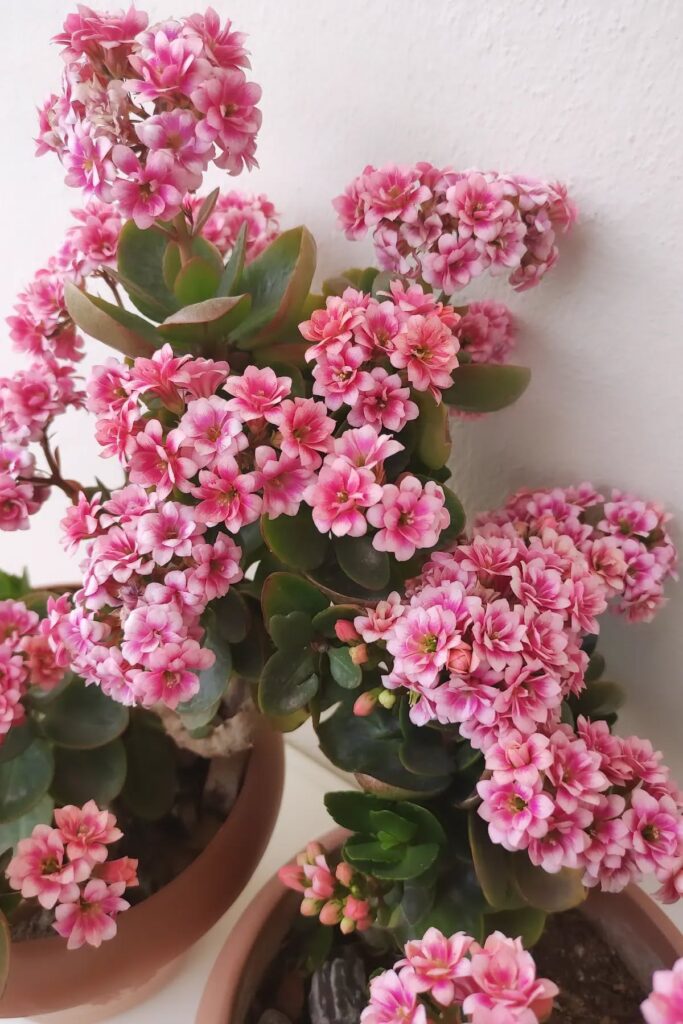
Kalanchoe Drought-tolerant succulent with bright flower clusters. Needs bright light.
Strategic Placement
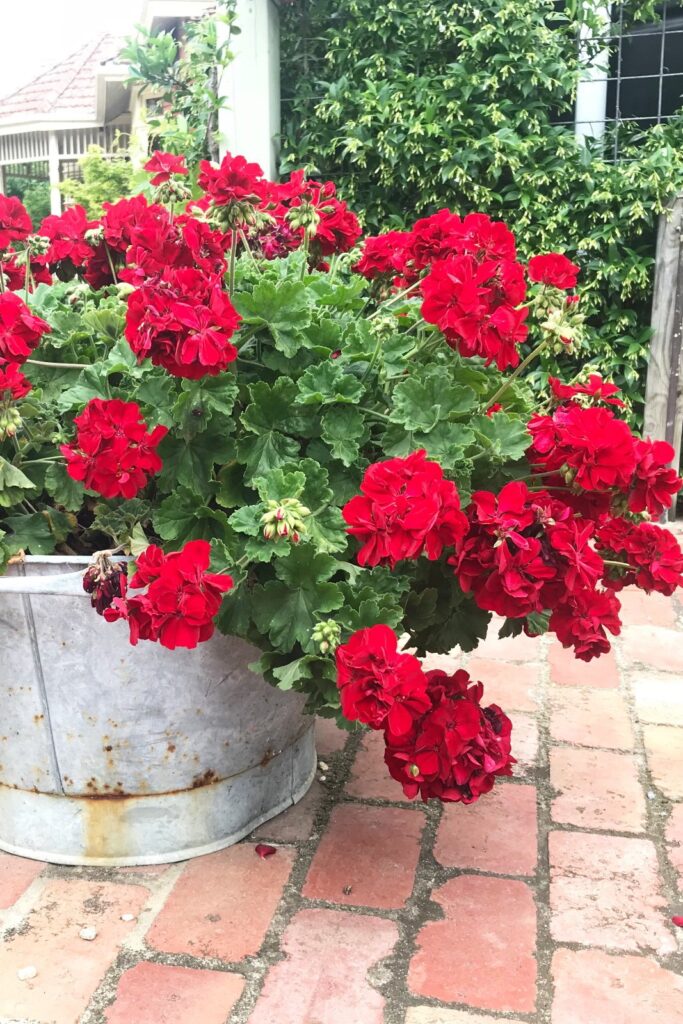
Kitchen windowsills: Geraniums, kalanchoe (sun-lovers with good humidity)
Bathrooms: Peace lilies, orchids (love humidity, tolerate lower light)
Living rooms: Mix heights and coloursbig begonia on a stand, violets in sunny spots
Bedrooms: Orchids and other oxygen-producing plants for better sleep quality
Container Strategy
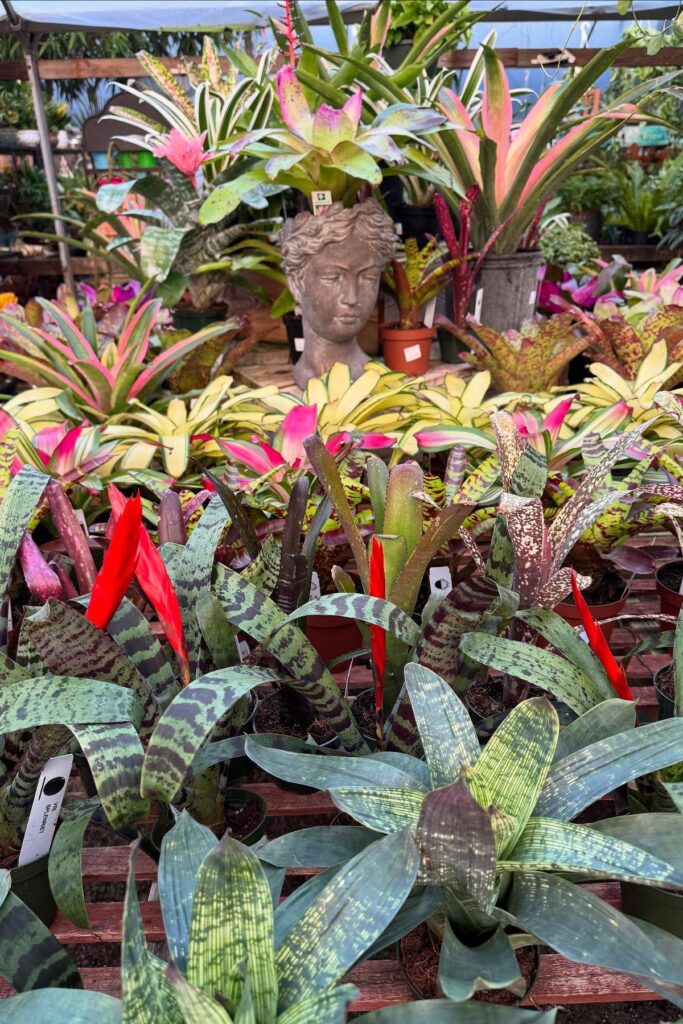
Use vintage teacups, ceramic pots, or hanging planters for visual impact. Research shows aesthetically pleasing containers enhance psychological benefits.
Create levels with plant stands for easy daily interaction.
Evidence-Based Care
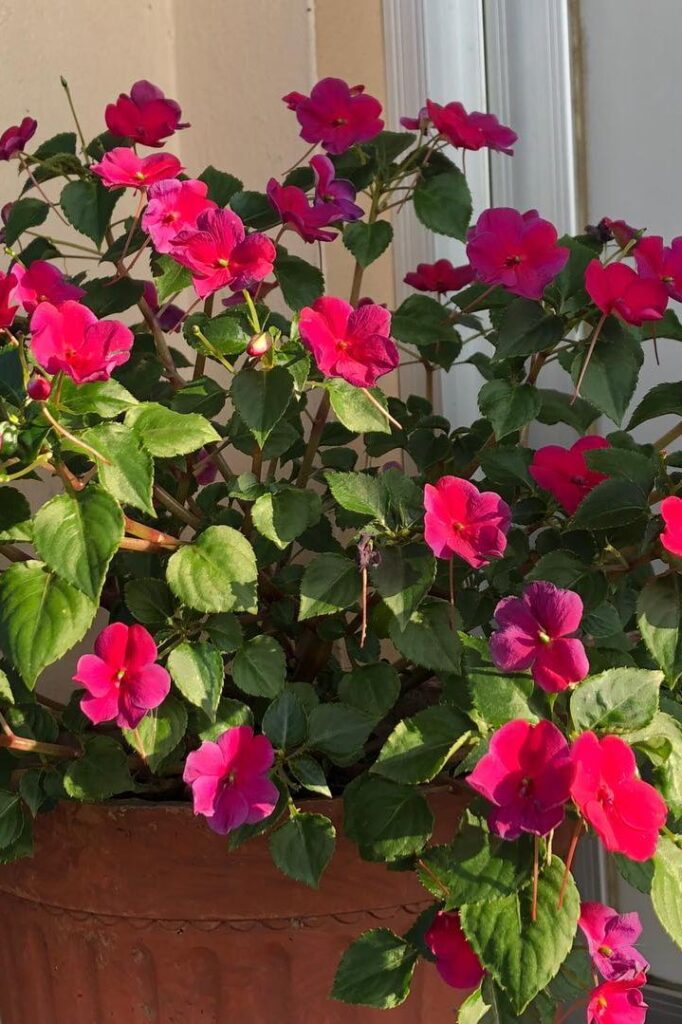
Watering: Check soil with finger before watering. Consistent moisture (not soggy) promotes better blooming.
Light: Rotate weekly for even growth. Even light exposure improves flowering frequency.
Maintenance: Deadhead spent flowers to redirect energy into new blooms. Fertilize monthly during growing season only.
Creating Maximum Impact
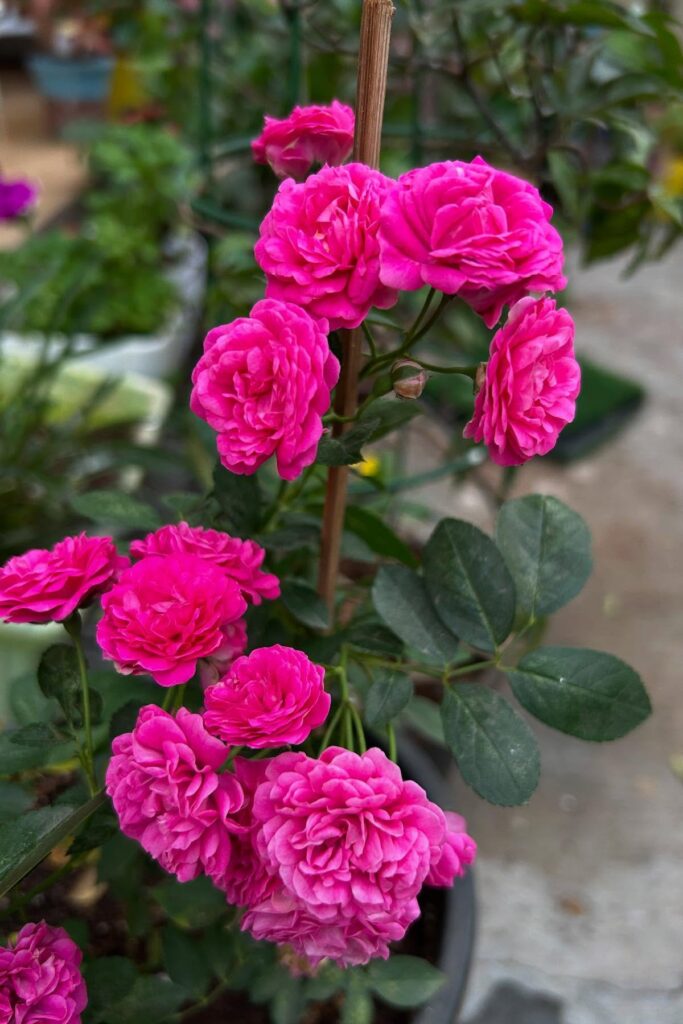
Cluster plants in odd numbers (3 or 5) for stronger psychological effect. Studies show that indoor plants have been linked to reduced stress, lower blood pressure, and higher job satisfaction.
Mix flowering plants with foliage for visual complexity. Research indicates that the plant-induced restoration effect renews positive emotions and increases productivity, creativity and attention capacity.
Seasonal Rotation
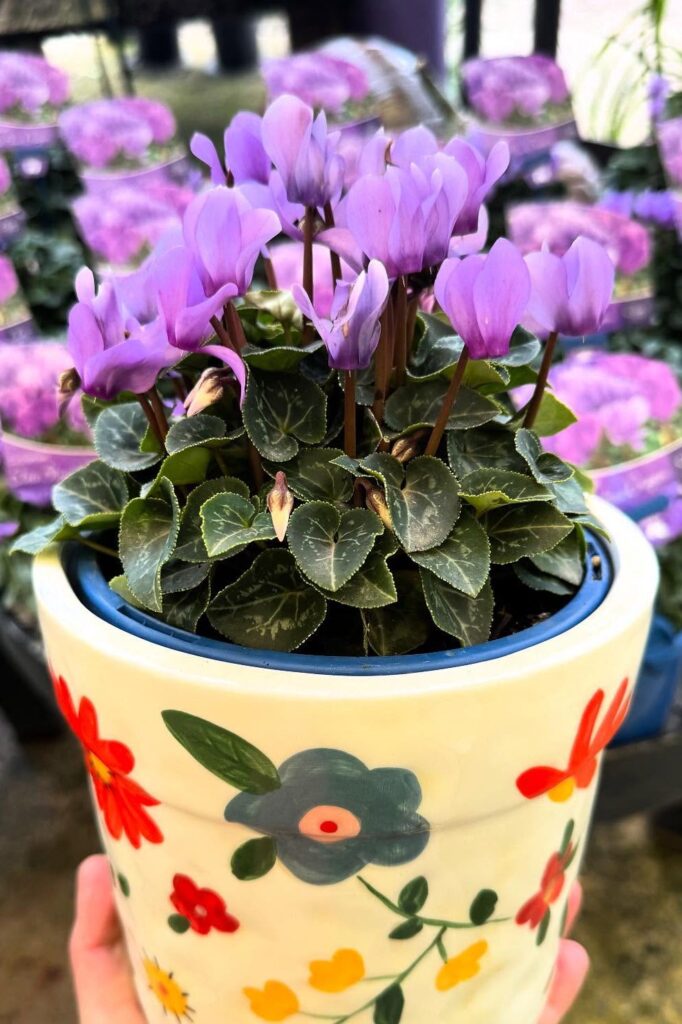
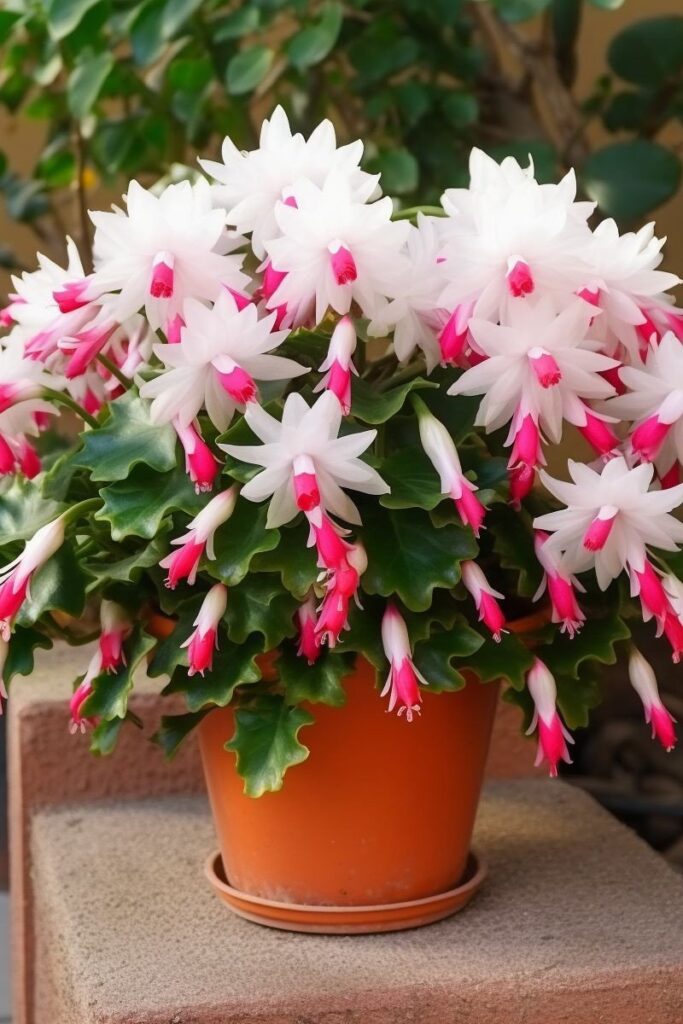
Winter: Amaryllis, Christmas cactus, cyclamen for colour during dark months
Spring: Force freesias, crocuses, tulips indoors
Year-round: Try growing nasturtiums or marigolds from seed for stronger psychological benefits
An indoor flower garden provides measurable health benefits. The act of tending plants reduces cortisol levels, improves air quality, and creates the restoration effect that boosts cognitive function.
Get your hands dirty, tend to your blooms regularly, and enjoy the science-backed benefits.
Sources
- NASA Clean Air Study (1989) Original research on plants removing indoor air pollutants
- Physiological and psychological stress reduction study PMC research on plants reducing stress
- Scoping review of indoor plants and mental health Comprehensive mental health benefits review
- Houseplants care behaviour and mental well-being Research on active vs passive plant interaction
Additional Research:
- Journal of Environmental Horticulture review Emotional and mental health benefits
- University of Reading research Practical mental health applications
- NASA Technical Reports Server Detailed air purification mechanisms
Expert Organizations: