20 Vegetable Garden Layout Ideas for Every Gardener
Designing the perfect vegetable garden layout can transform your gardening experience.
A well-planned layout not only maximizes your space but also ensures healthy growth for your plants.
Whether youre a beginner or a seasoned gardener, these 20 vegetable garden layout ideas will inspire you to create a productive and beautiful space.
With thoughtful designs and a mix of practicality and creativity, youll be able to enjoy a flourishing garden that caters to your specific needs and preferences.
1. Raised Bed Layout
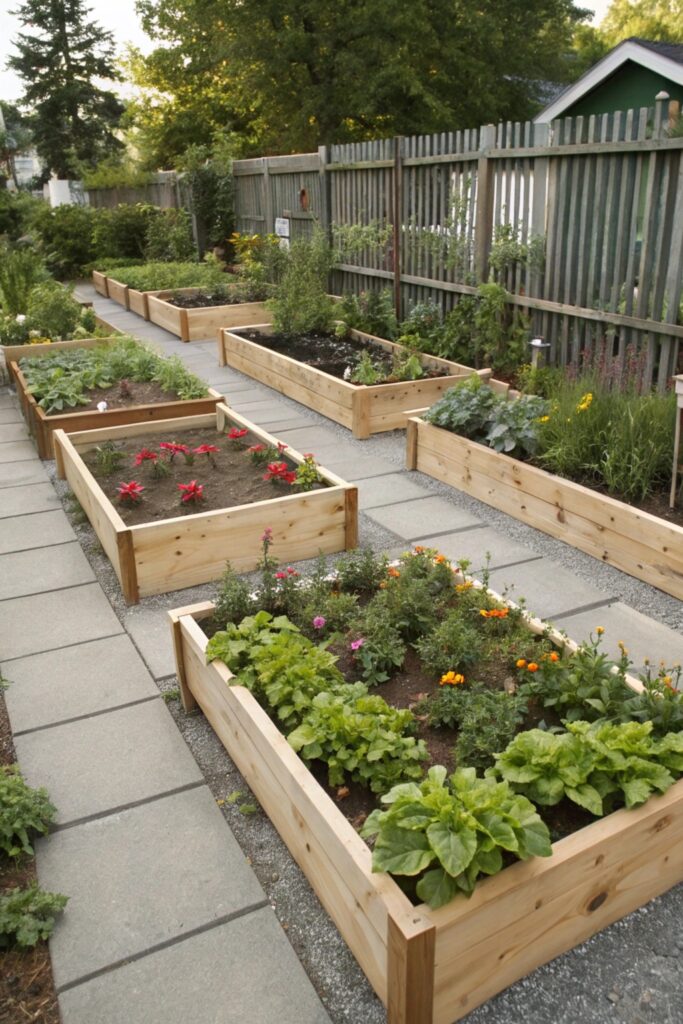
Raised beds are perfect for improving drainage and organizing your garden. Arrange multiple beds in rows or squares for easy access and maintenance.
You can experiment with bed heights to accommodate different plants and reduce strain on your back while gardening.
Benefits:
- Great for small spaces
- Reduces soil compaction
- Enhances soil quality by allowing controlled amendments
2. Grid Layout
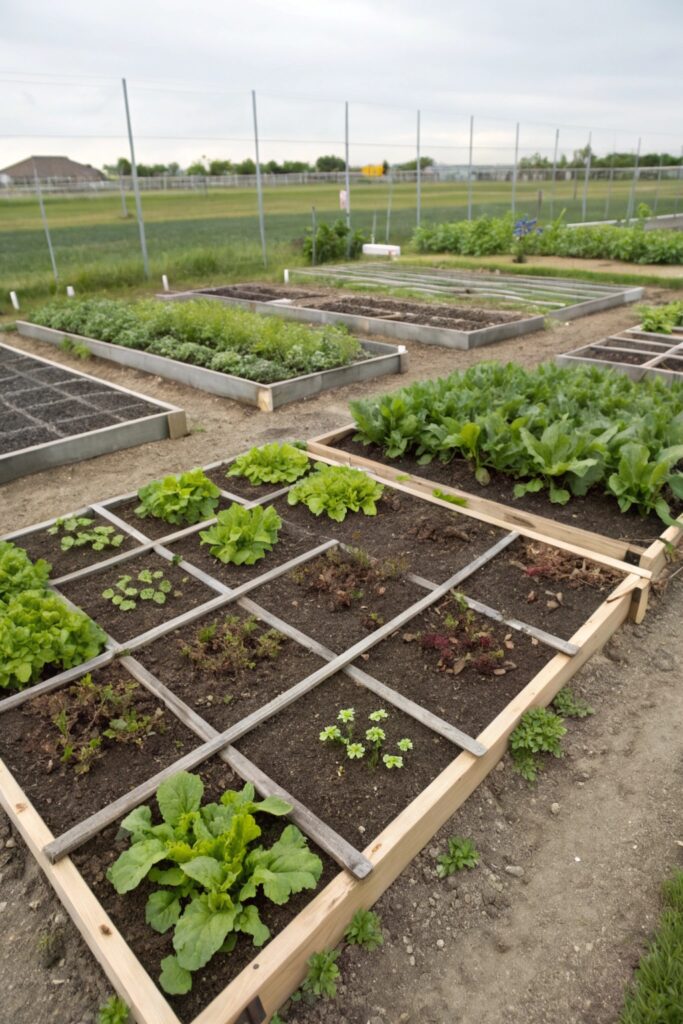
Use a grid system to plant your vegetables in specific sections. This method is ideal for square-foot gardening and ensures efficient use of space.
Add markers or dividers to your grid to make planting and maintenance even easier.
Best For:
- Beginners
- Small to medium-sized gardens
- Keeping track of plant varieties
3. Traditional Row Layout
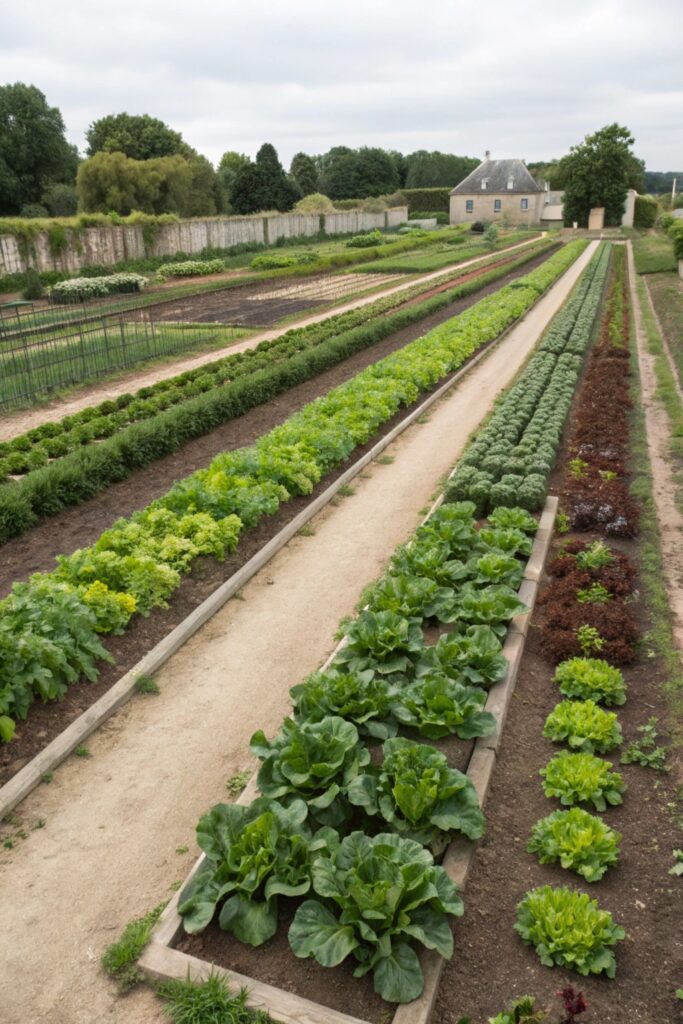
Plant your vegetables in long rows with walking paths in between. This classic approach is straightforward and works well for large gardens.
Rows can be tailored for crop-specific spacing, ensuring optimal growth.
Tip:
- Keep taller plants on the north side to avoid shading smaller ones.
- Add mulch to pathways to reduce weed growth and soil erosion.
4. Keyhole Garden Layout
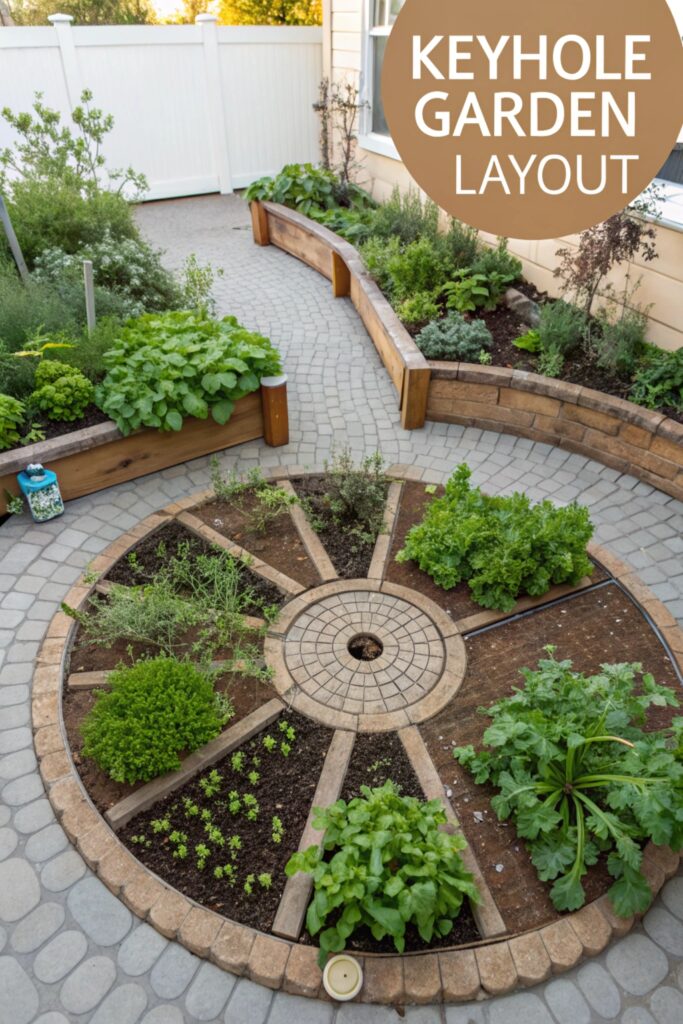
This circular design includes a central composting area with planting beds radiating outward.
Its great for maximizing productivity in small spaces and encourages sustainable gardening practices.
Benefits:
- Water-efficient
- Promotes healthy soil
- Easy access to all parts of the garden
5. Vertical Garden Layout
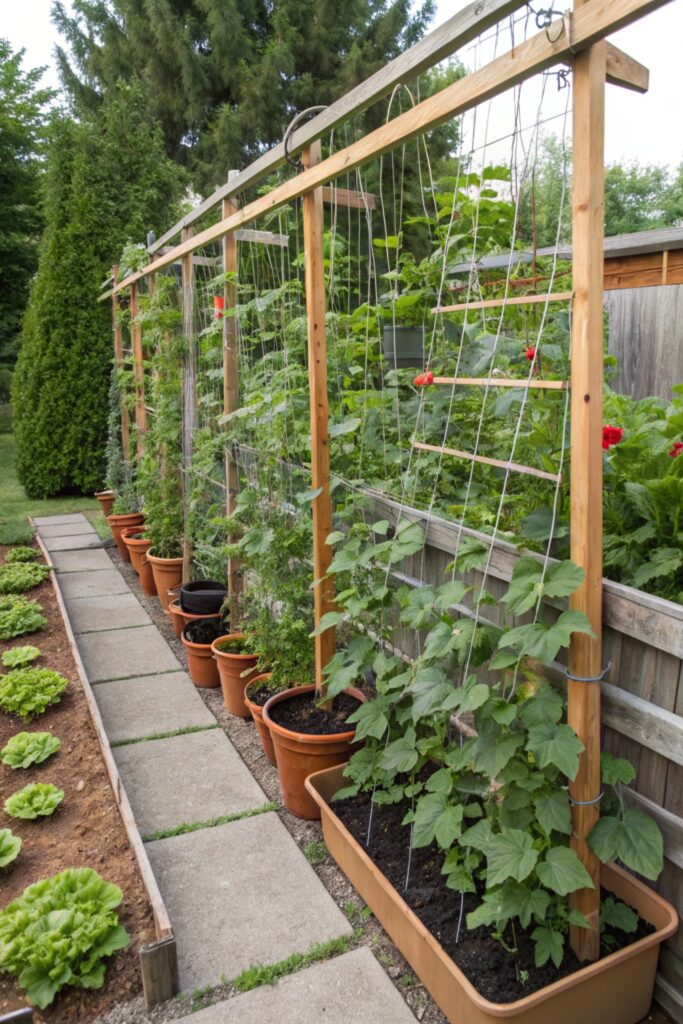
Utilize trellises, poles, and hanging pots to grow climbing vegetables like beans, cucumbers, and tomatoes.
This layout is perfect for gardeners with limited ground space.
Best For:
- Urban gardens
- Balconies
- Increasing yield per square foot
6. Companion Planting Layout
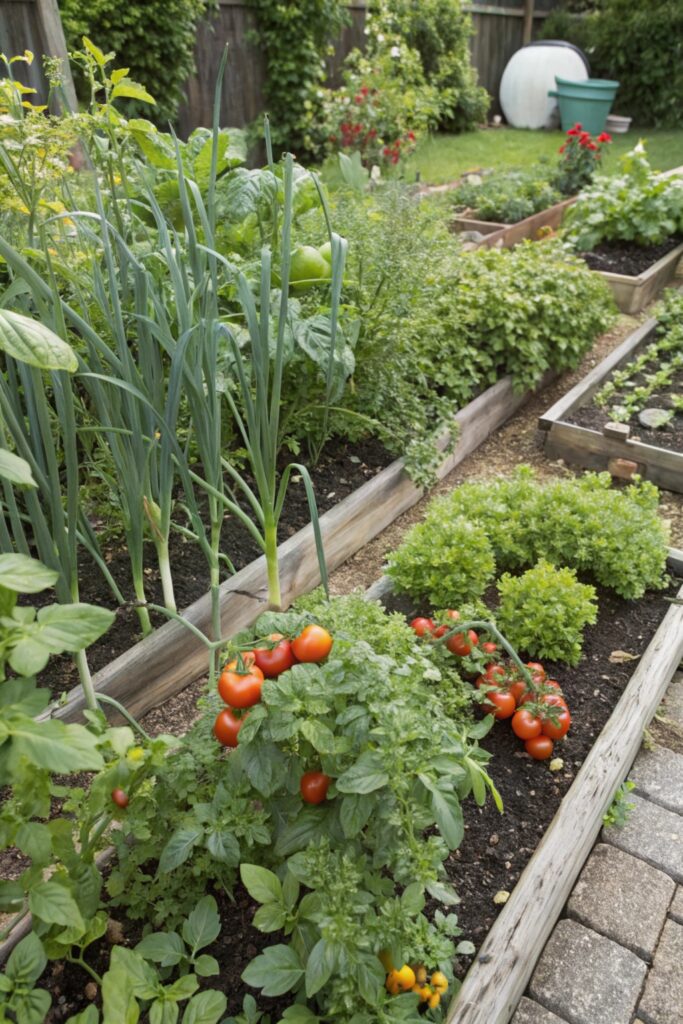
Group plants that benefit each others growth, such as tomatoes and basil or carrots and onions.
This method improves plant health and supports natural pest control.
Why It Works:
- Encourages symbiotic relationships
- Naturally deters pests
- Enhances flavor and growth of certain crops
7. Mandala Garden Layout
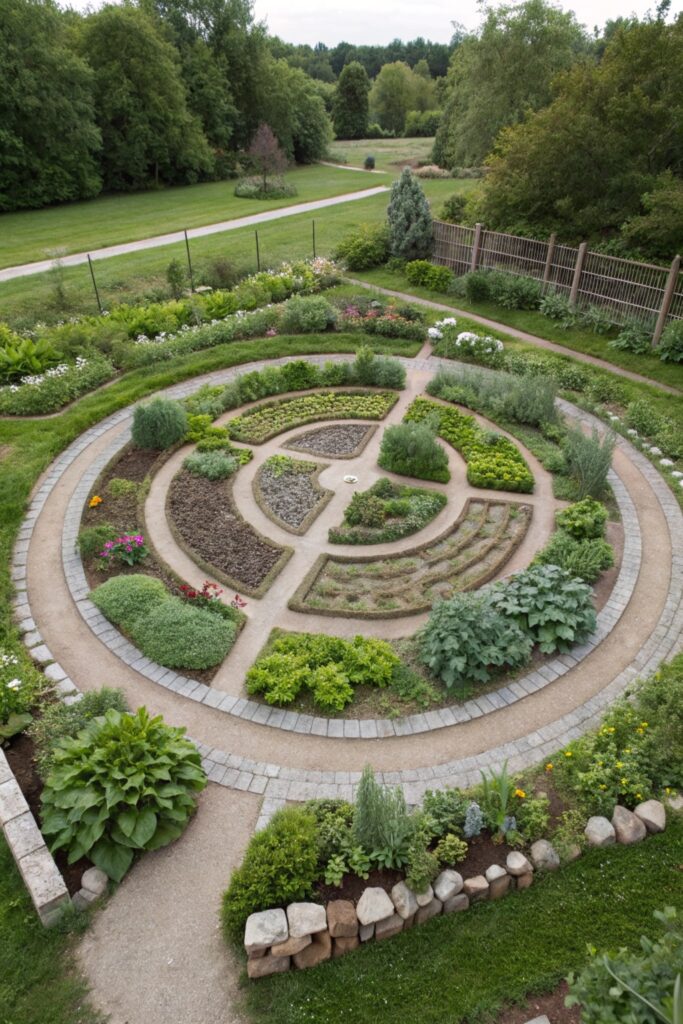
A circular garden design with paths radiating out from the center.
This aesthetic layout is both functional and visually appealing, creating a peaceful space to enjoy while gardening.
Ideal For:
- Permaculture gardens
- Artistic gardeners
- Creating a meditative gardening experience
8. Potager Garden Layout
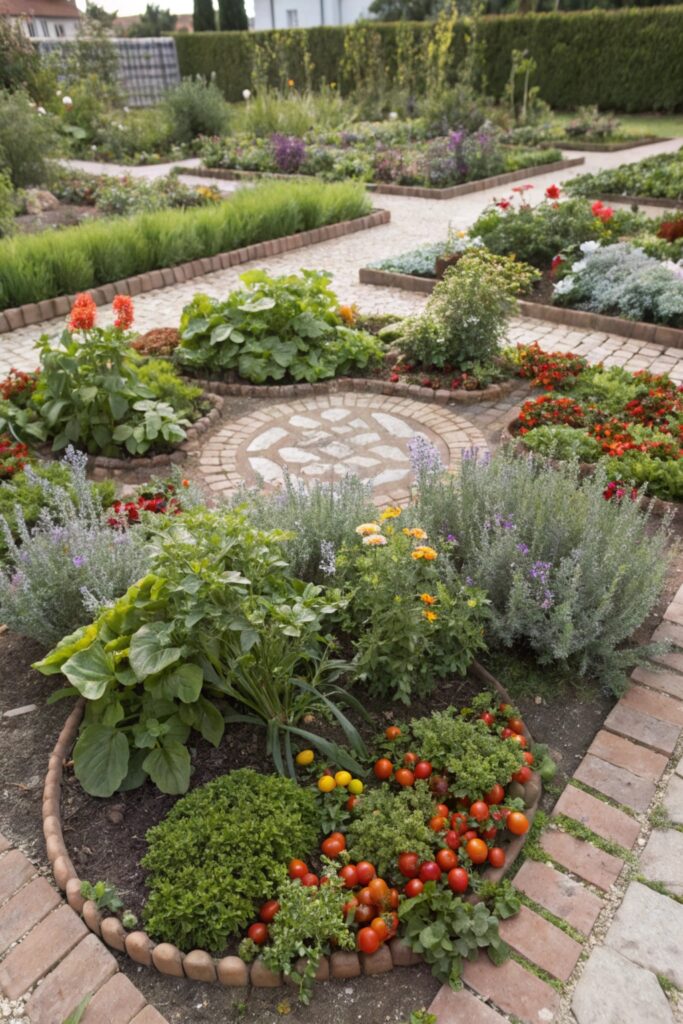
Combine vegetables, herbs, and flowers in an ornamental design.
This French-inspired layout turns your garden into a feast for the eyes while maintaining functionality.
Features:
- Decorative and productive
- Encourages biodiversity
- Incorporates edible and ornamental plants seamlessly
9. Raised Rows Layout
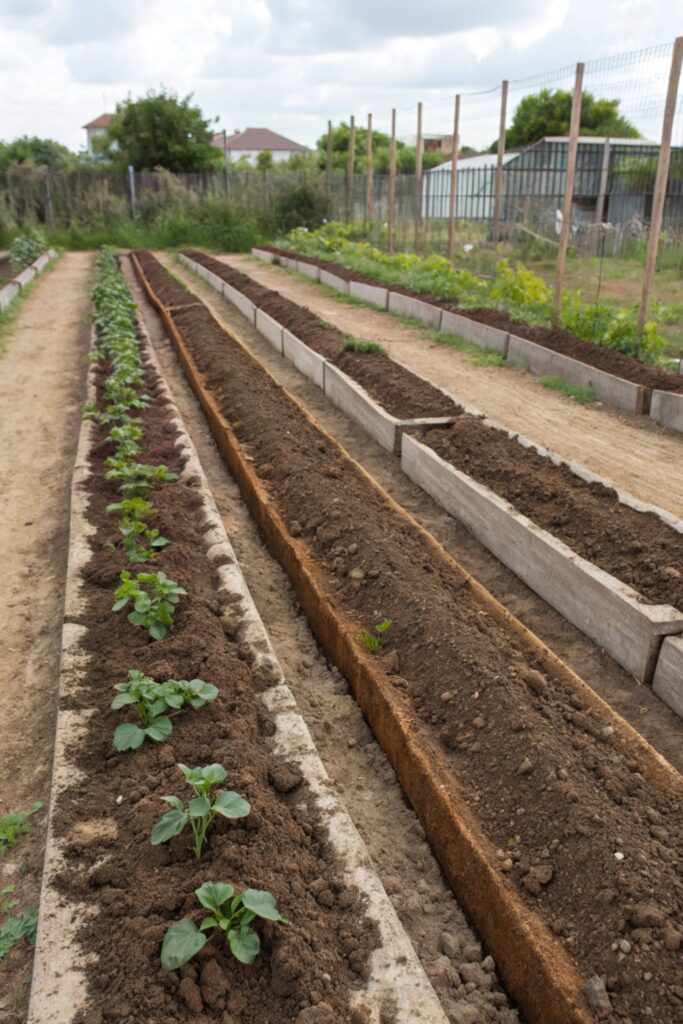
Create raised rows by mounding soil into long, narrow beds.
This improves drainage and makes planting easier, especially in areas with heavy rainfall or clay soil.
Benefits:
- Simple to set up
- Reduces waterlogging
- Better soil aeration
10. Container Garden Layout
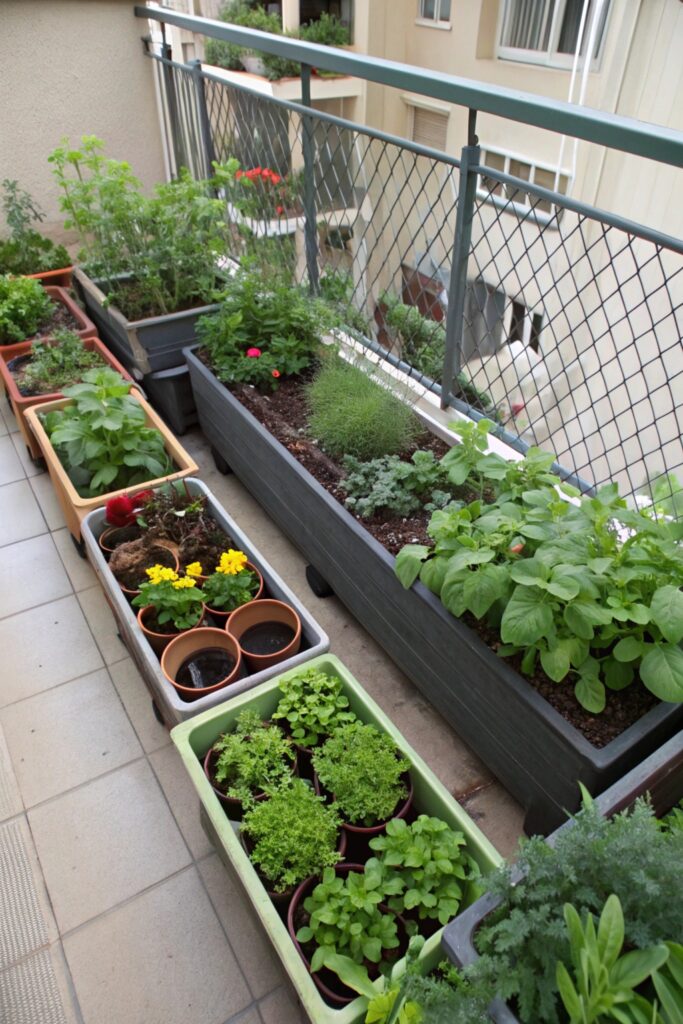
Perfect for small spaces, containers allow you to grow vegetables anywhere, from patios to balconies.
Group containers creatively to form a compact yet functional layout.
Pro Tip:
- Use lightweight pots for portability.
- Choose containers with proper drainage holes to prevent waterlogging.
11. Four-Square Layout
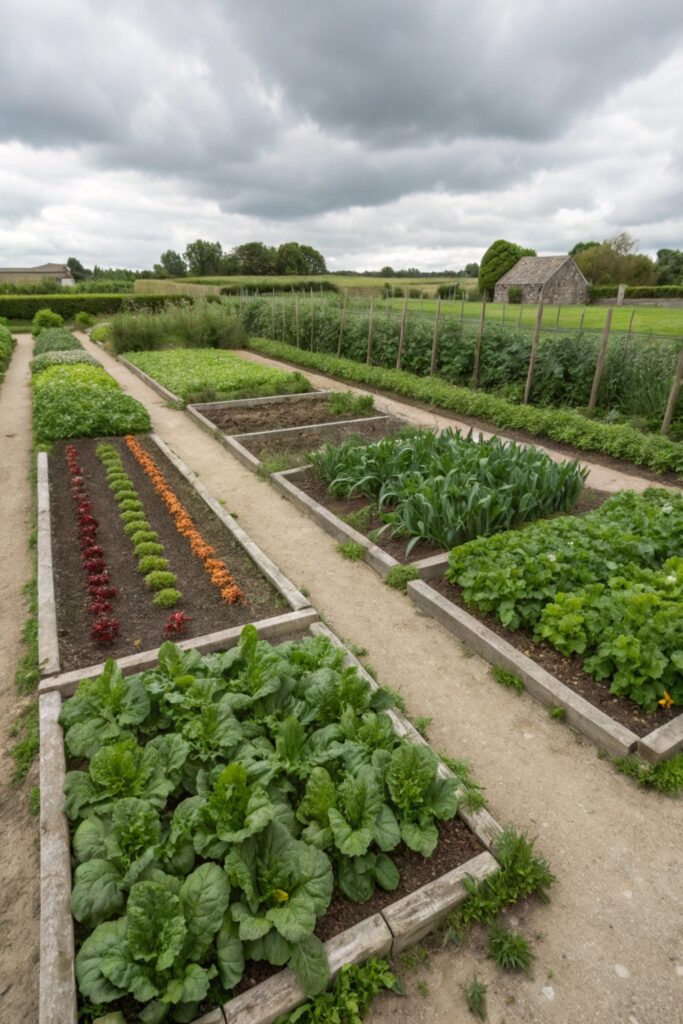
Divide your garden into four quadrants, each dedicated to a different type of vegetable (leafy greens, root crops, etc.).
This layout simplifies crop rotation and keeps your garden organized.
Why It Works:
- Simplifies crop rotation
- Easy to organize
- Encourages efficient planting practices
12. In-Ground Bed Layout
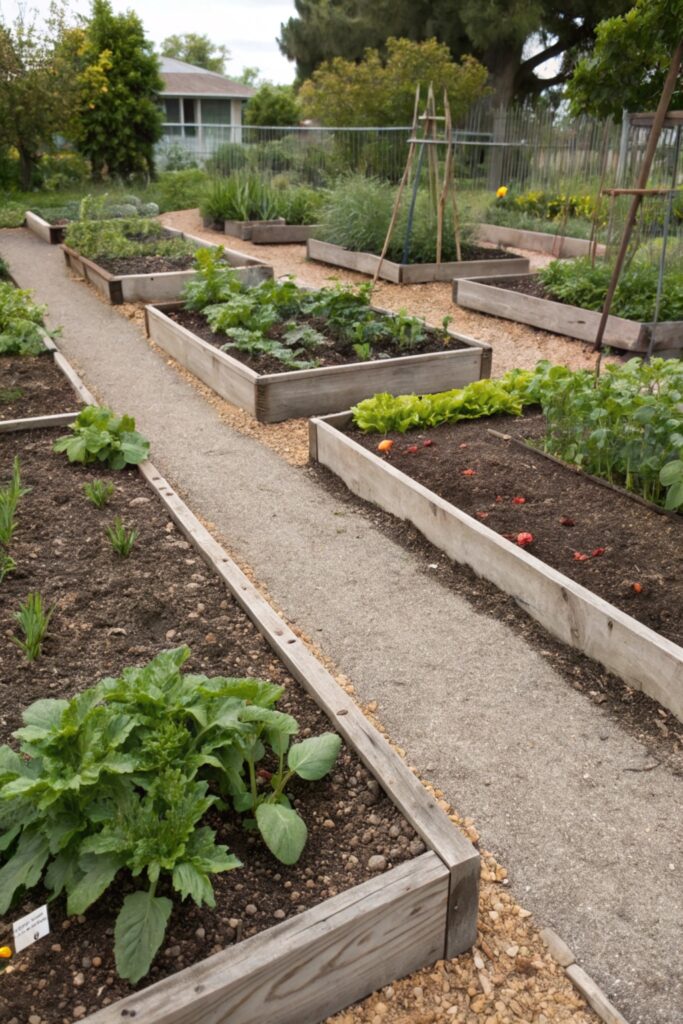
Plant directly into the ground, creating defined beds with pathways in between.
This traditional method is low-cost and versatile. Enhance soil fertility with compost and regular amendments.
Best For:
- Large gardens
- Flexible planting
- Gardeners who prefer natural aesthetics
13. Spiral Garden Layout
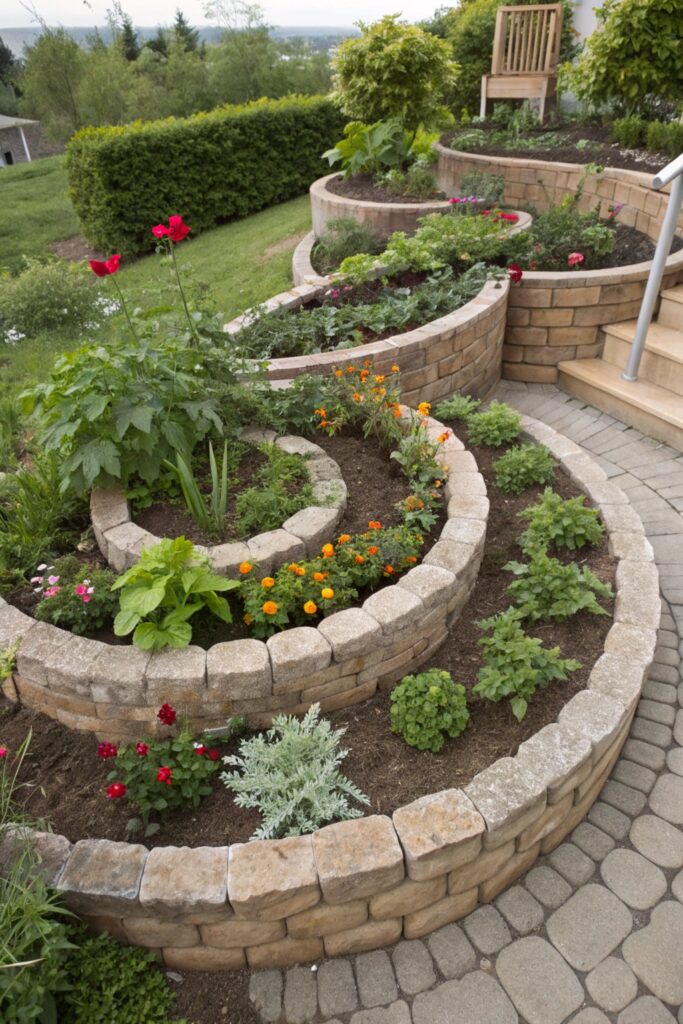
Design a spiral-shaped garden bed to maximize space and create microclimates for different plants.
The higher parts of the spiral can host sun-loving plants, while the lower parts are ideal for shade-tolerant varieties.
Perfect For:
- Herbs and small vegetables
- Unique garden aesthetics
- Maximizing planting diversity
14. Mixed Border Layout
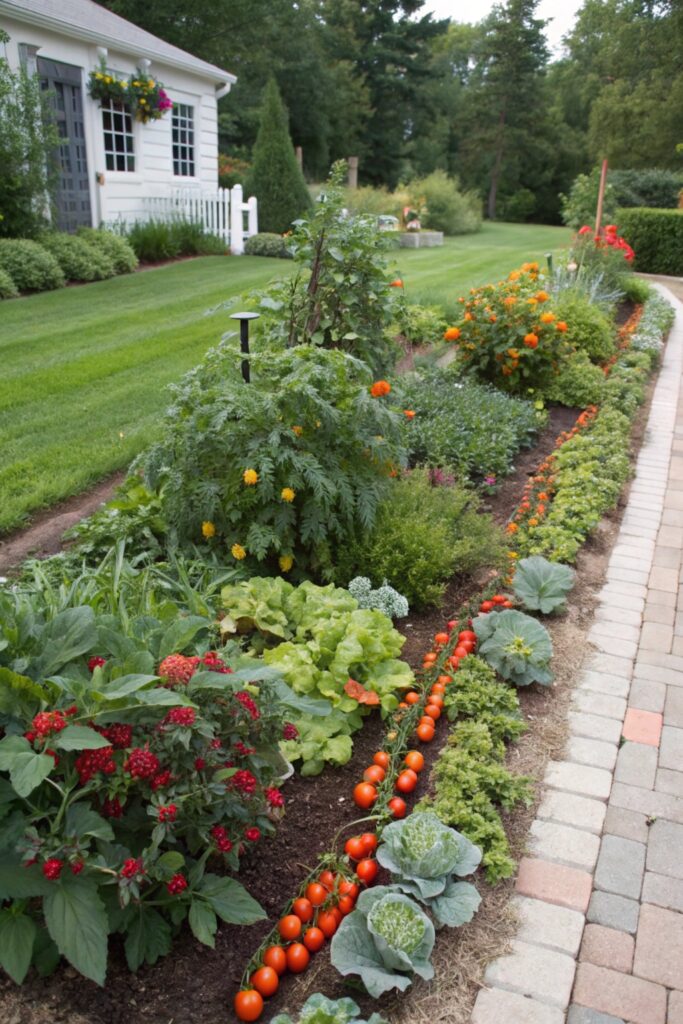
Combine vegetables with ornamental plants along borders to create a multifunctional and beautiful garden.
This layout works well for front yards, offering both beauty and functionality.
Advantages:
- Saves space
- Attracts pollinators
- Provides visual appeal
15. Themed Garden Layout
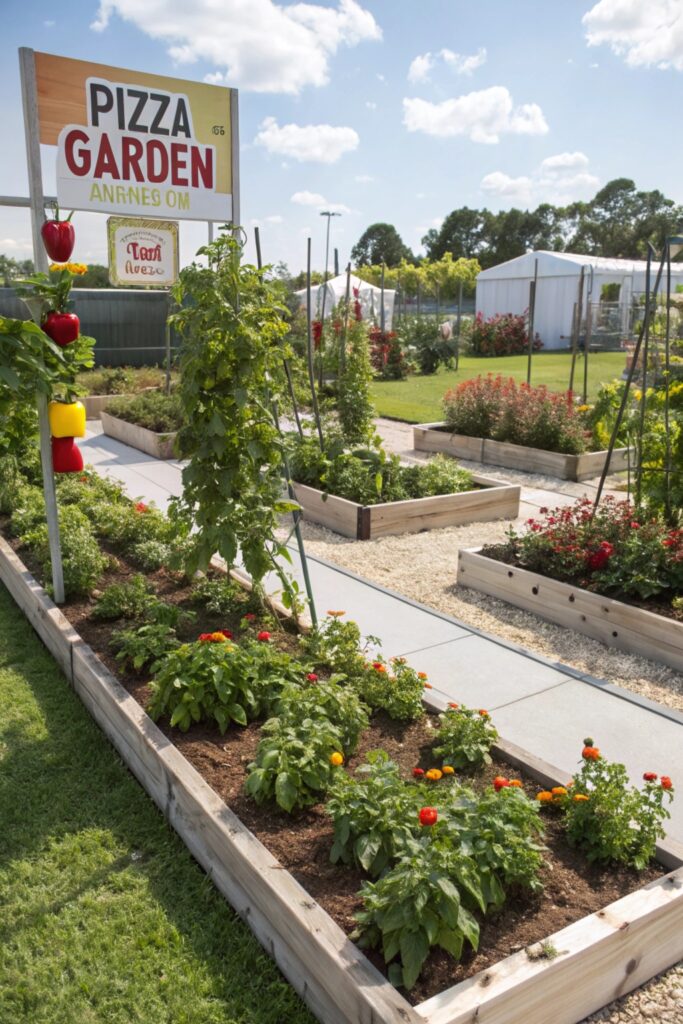
Design your garden around a specific theme, such as a pizza garden (tomatoes, basil, peppers) or a salad garden (lettuce, cucumbers, radishes).
This layout is fun and practical.
Fun For:
- Families
- Kids projects
- Adding a personal touch to your garden
16. Tiered Layout
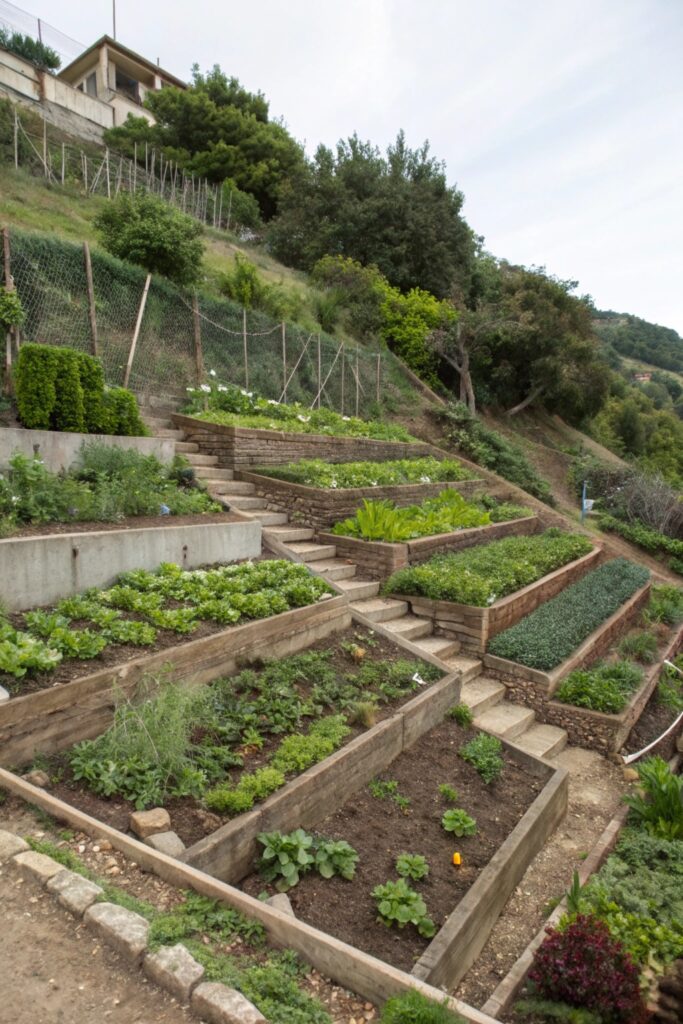
Create multiple levels using steps or terraces, perfect for sloped gardens.
Tiered layouts make excellent use of uneven terrain while adding visual interest.
Benefits:
- Erosion control
- Maximizes planting area
- Ideal for managing water flow
17. U-Shaped Garden Layout
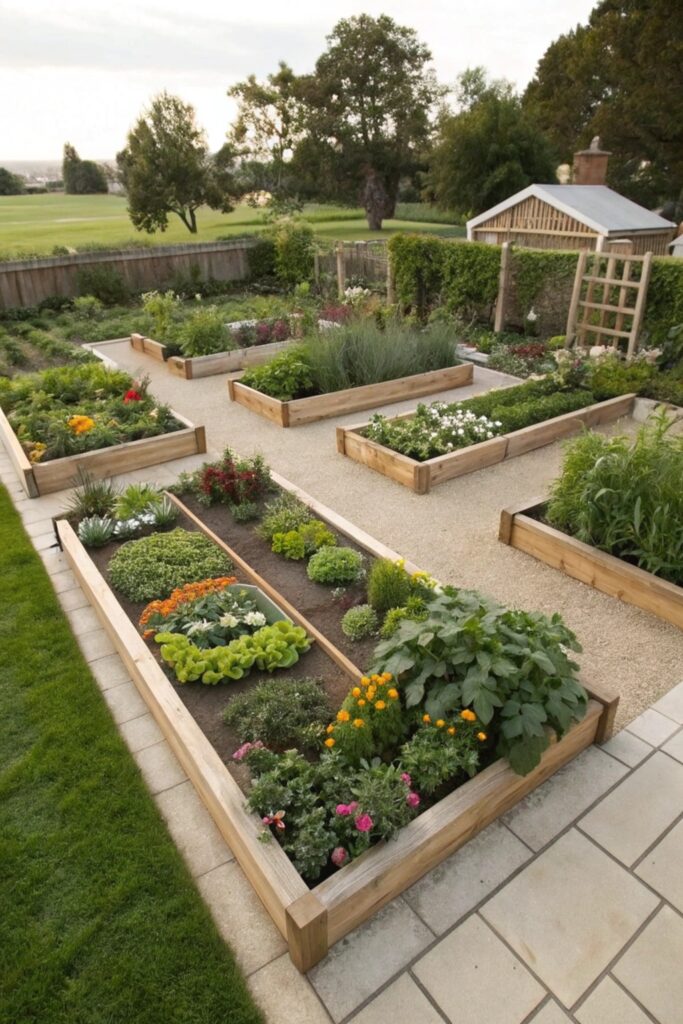
Design your beds in a U-shape to make all plants easily accessible from the center.
This layout is particularly ergonomic and works well for raised beds.
Why Its Great:
- Ergonomic
- Reduces walking distance during maintenance
- Ideal for intensive planting
18. Zigzag Path Layout
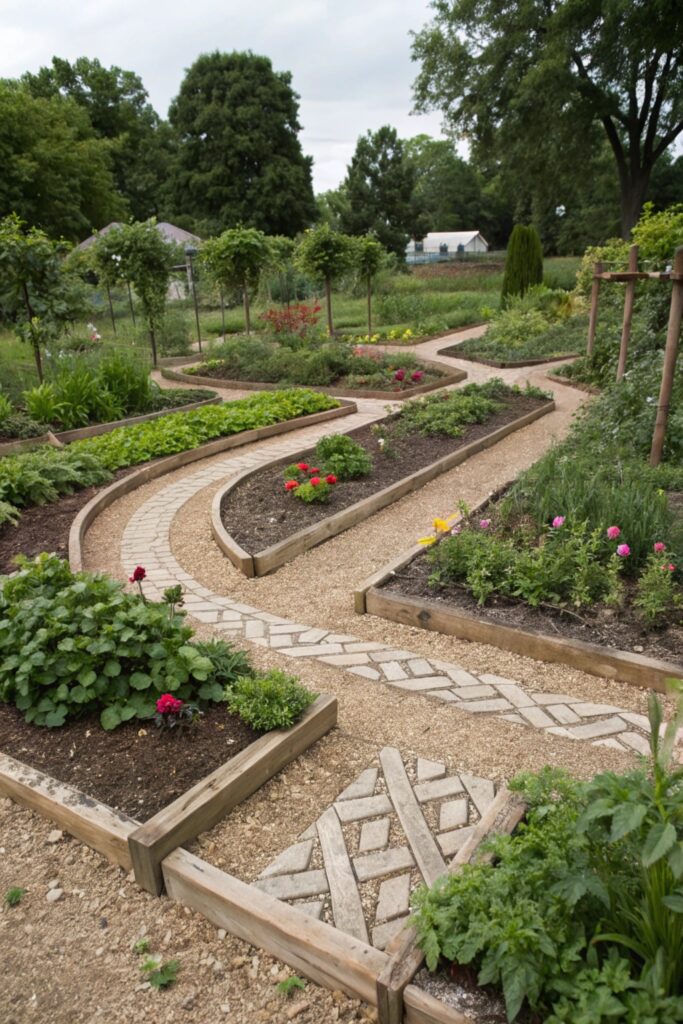
Incorporate zigzag paths between planting areas for an artistic touch and better access to plants.
This layout also helps create natural breaks for managing soil and crop variety.
Perfect For:
- Decorative gardens
- Larger spaces
- Adding a unique flair to your garden
19. Wildlife-Friendly Layout
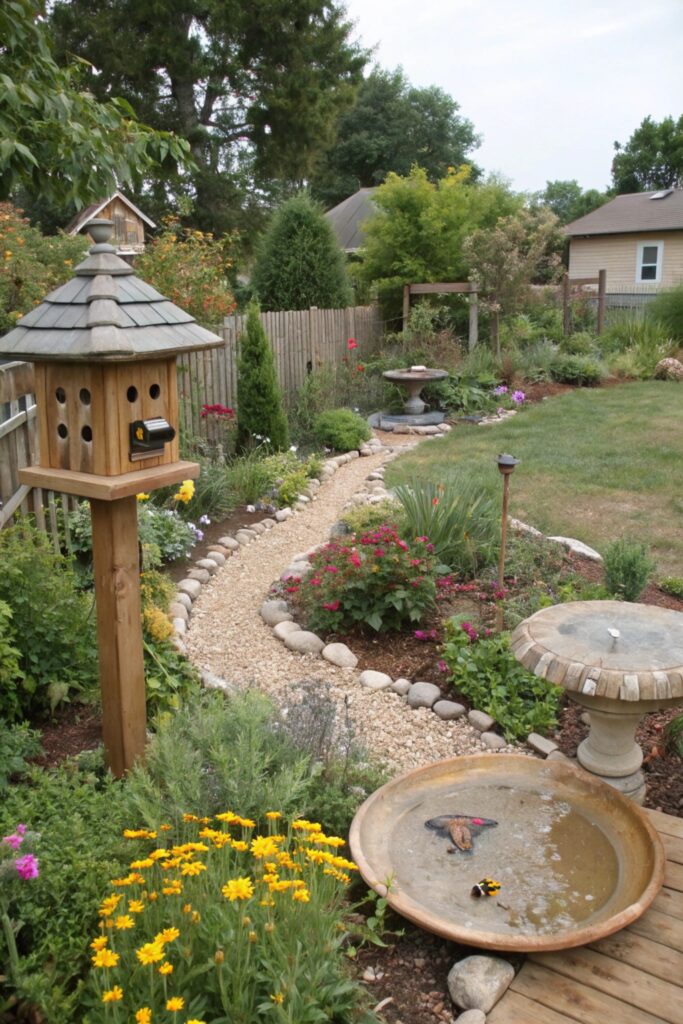
Create a garden layout that includes areas for wildlife, such as pollinator plants, bird feeders, and shallow water dishes.
This design supports local ecosystems and enhances biodiversity.
Benefits:
- Supports biodiversity
- Attracts helpful insects
- Adds an ecological purpose to your garden
20. Cluster Planting Layout
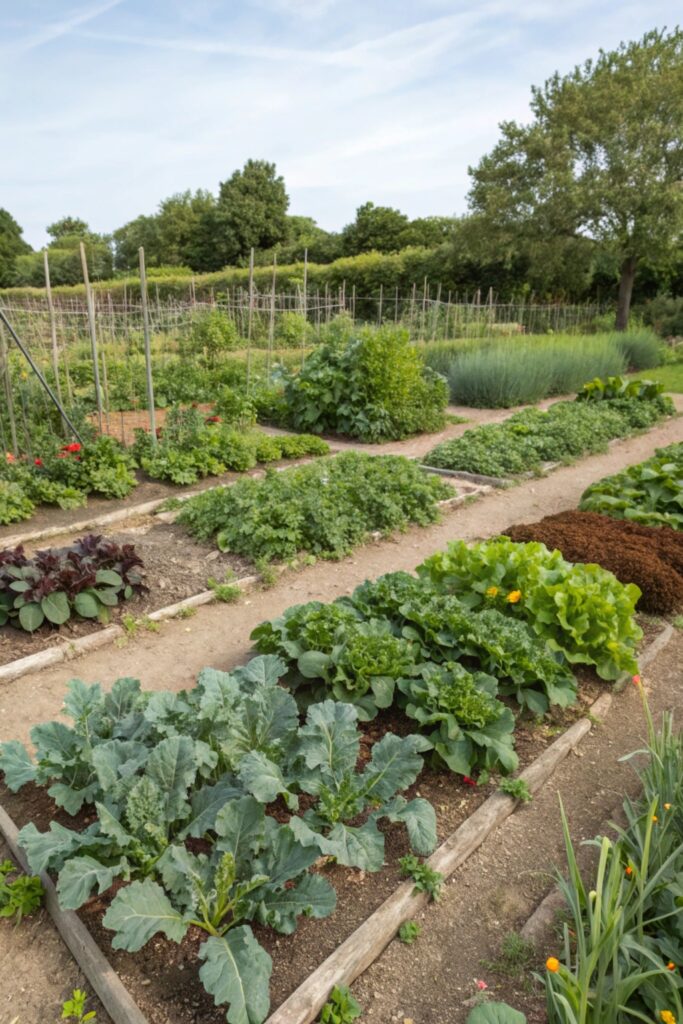
Group vegetables in clusters rather than rows to save space and create a natural look.
Cluster planting encourages companion planting and efficient use of irregularly shaped plots.
Best For:
- Small gardens
- Companion planting
- Creating an organic, free-flowing garden appearance
Final Thoughts
Each of these vegetable garden layout ideas offers unique advantages, catering to different gardening needs and spaces.
By combining creativity with functionality, you can create a garden that reflects your personality and meets your requirements.
Whether youre working with a small balcony or a sprawling backyard, theres a layout thats perfect for you.
With careful planning and thoughtful execution, your garden will not only provide fresh, delicious produce but also serve as a beautiful, peaceful retreat. Happy gardening!