What Makes Good Garden Lighting (And Why Most of Us Get It Wrong at First)
If youre anything like me, your first attempt at garden lighting probably looked like a pack of solar spikes scattered randomly in the soil. No judgmentthey do the job.
But if youve ever walked through a garden that glowed, not just lit up, youll know theres a real difference between just adding lights and actually creating atmosphere.
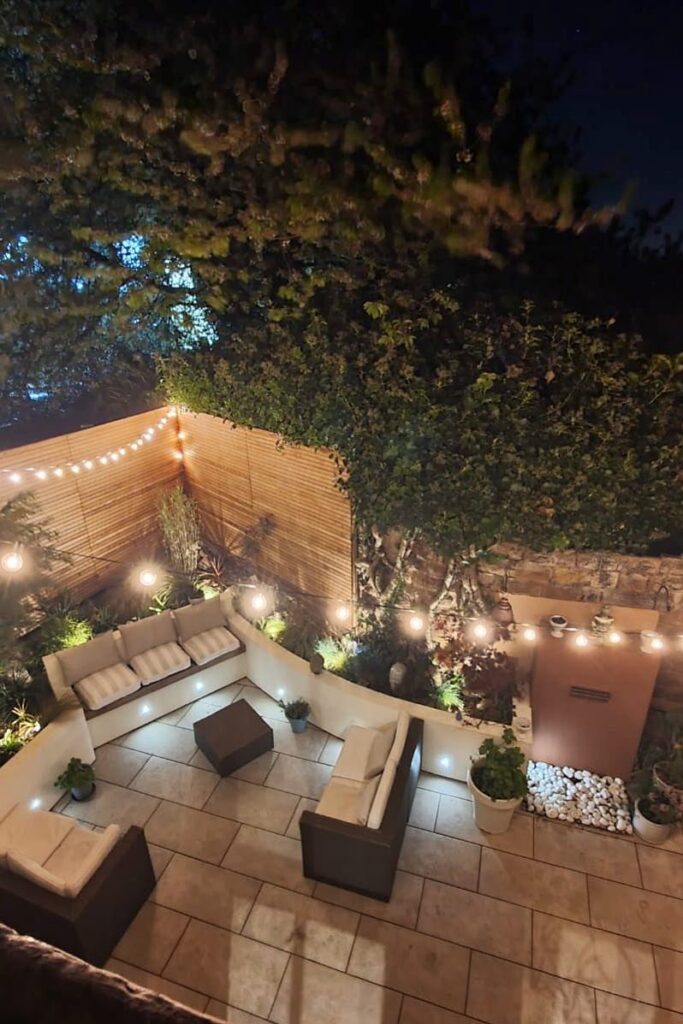
Good garden lighting isnt about brightness. Its about balance. Its about mood. Its about using light the way a painter uses colorcarefully, with intention, and just enough.
So what actually makes lighting work in a garden?
It Starts With Purpose
The best garden lighting begins with asking one simple question: what do I want this space to feel like at night? Do you want it to feel cozy? Dramatic? Safe? Magical?
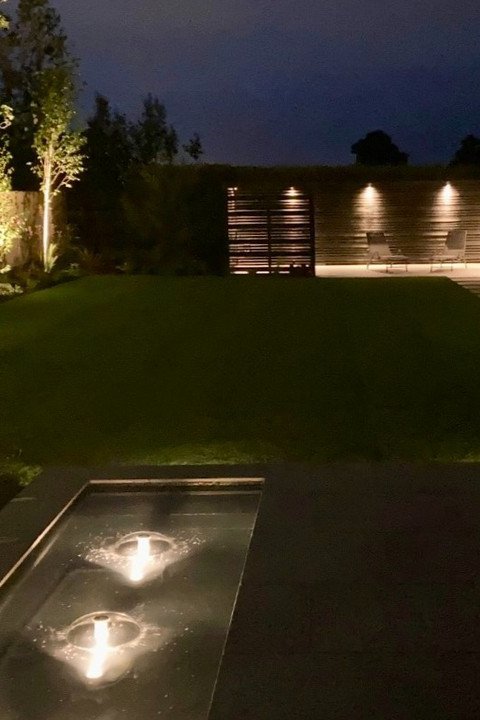
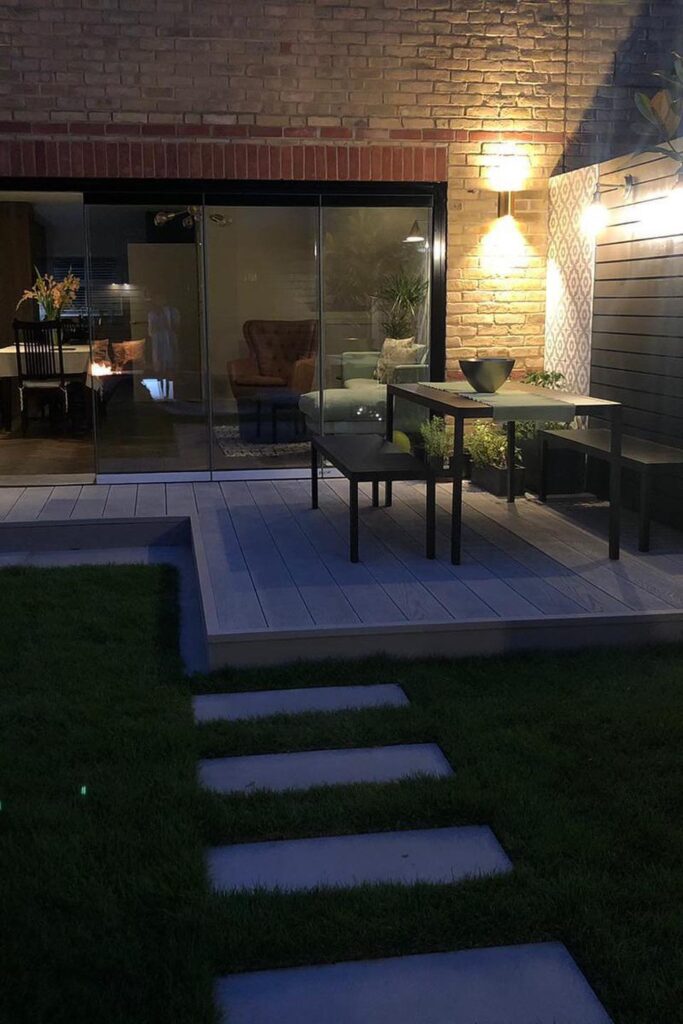
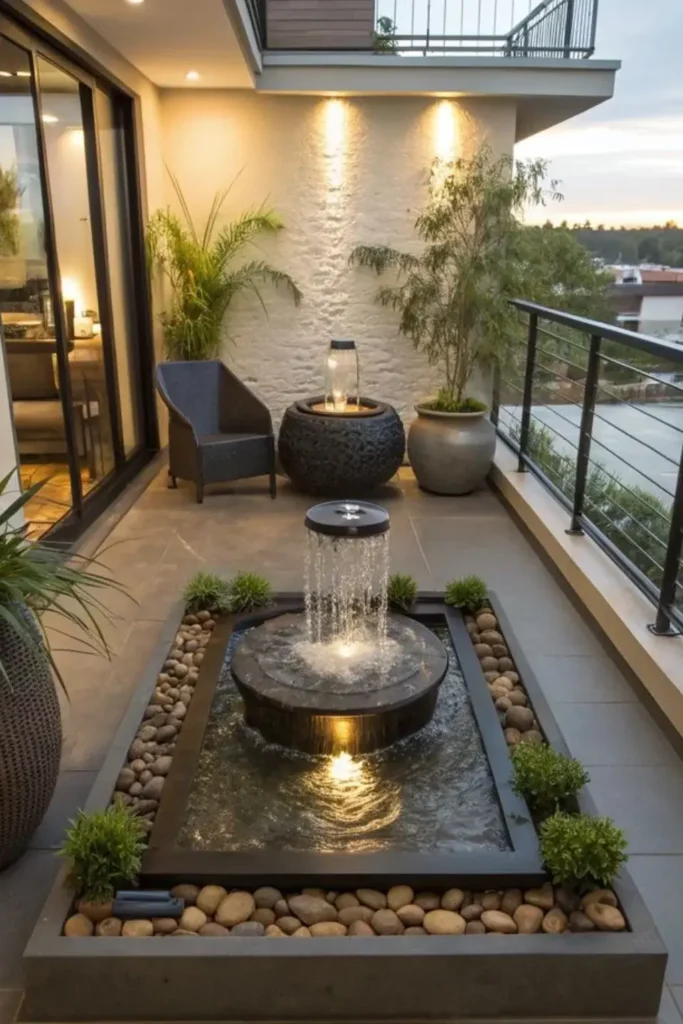
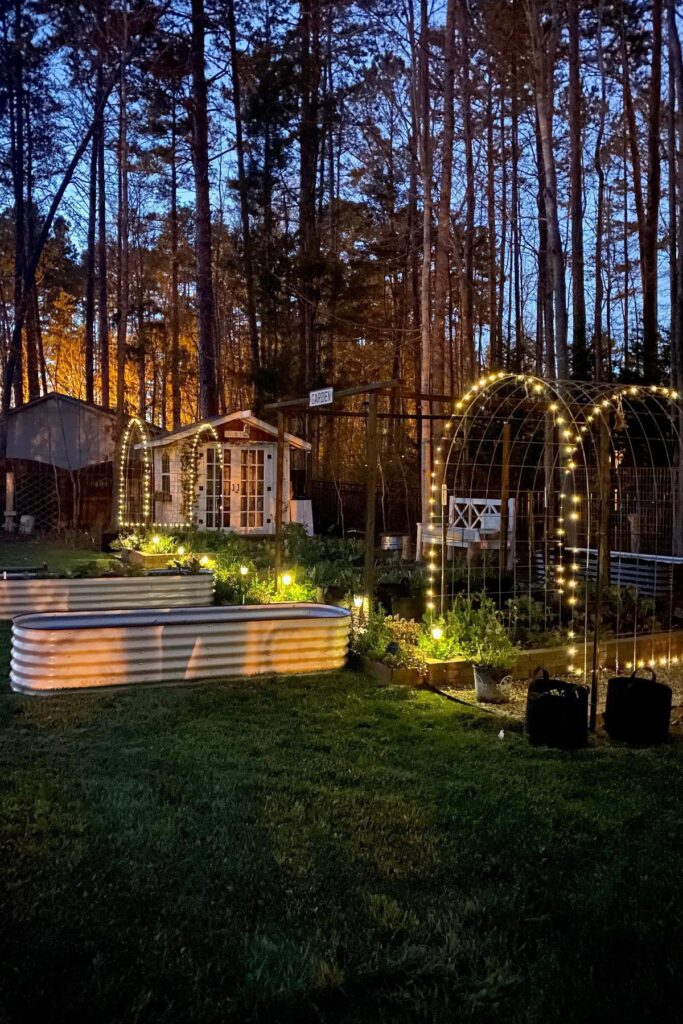
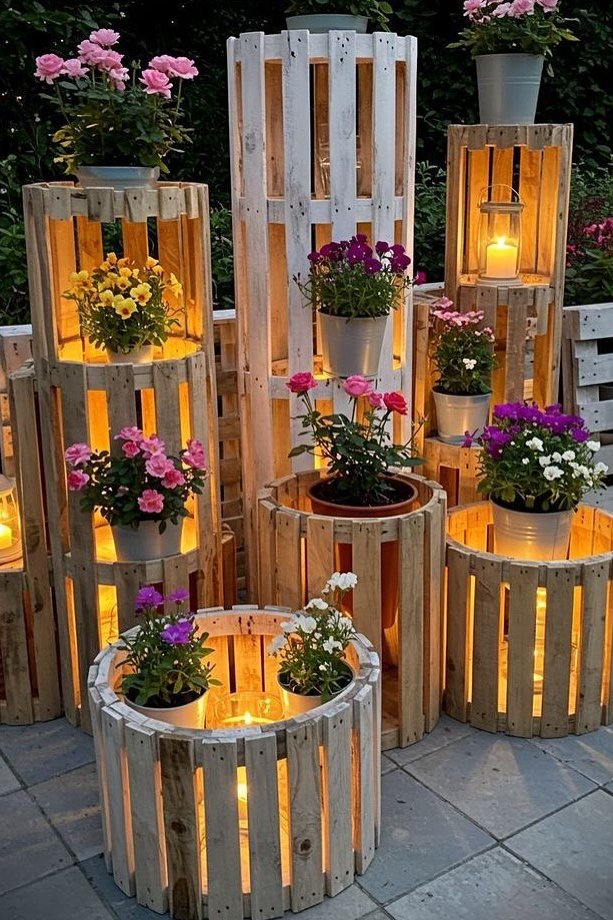
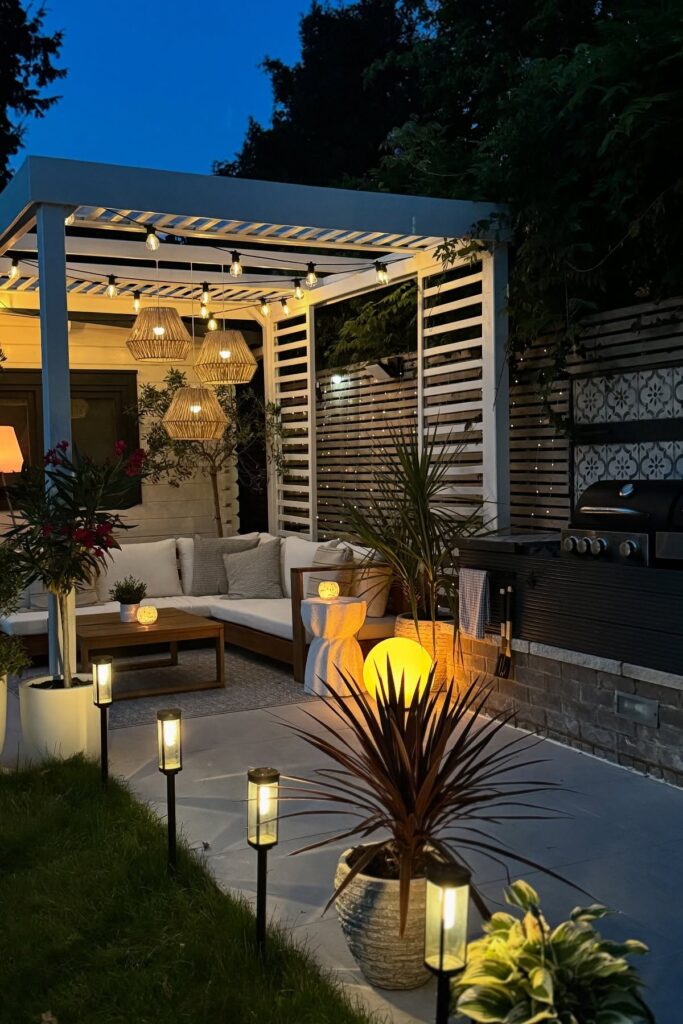
If its a social zonethink patios, decks, fire pitsyoull want warm, diffused lighting that creates a welcoming glow without making people feel like theyre under interrogation. Overhead string lights, low wall washes, and lanterns all work beautifully here.
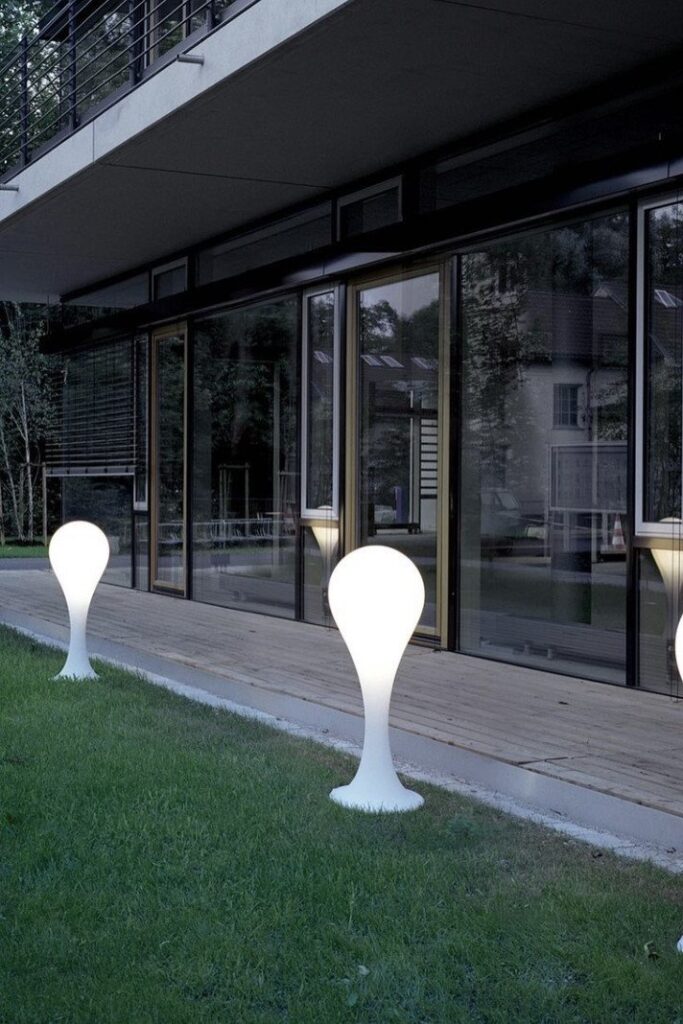
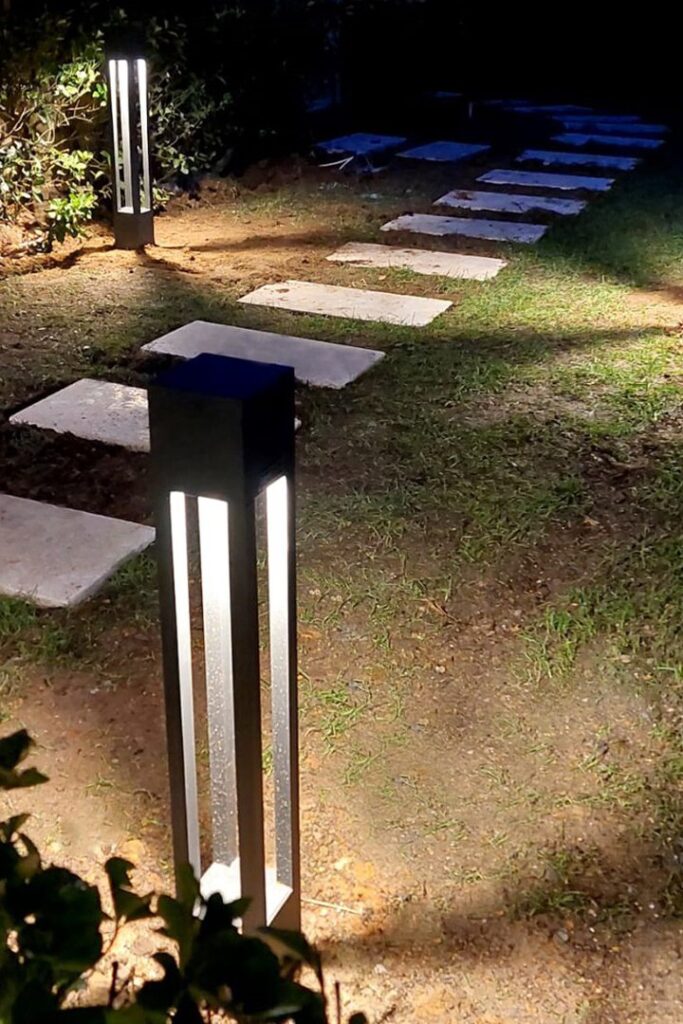
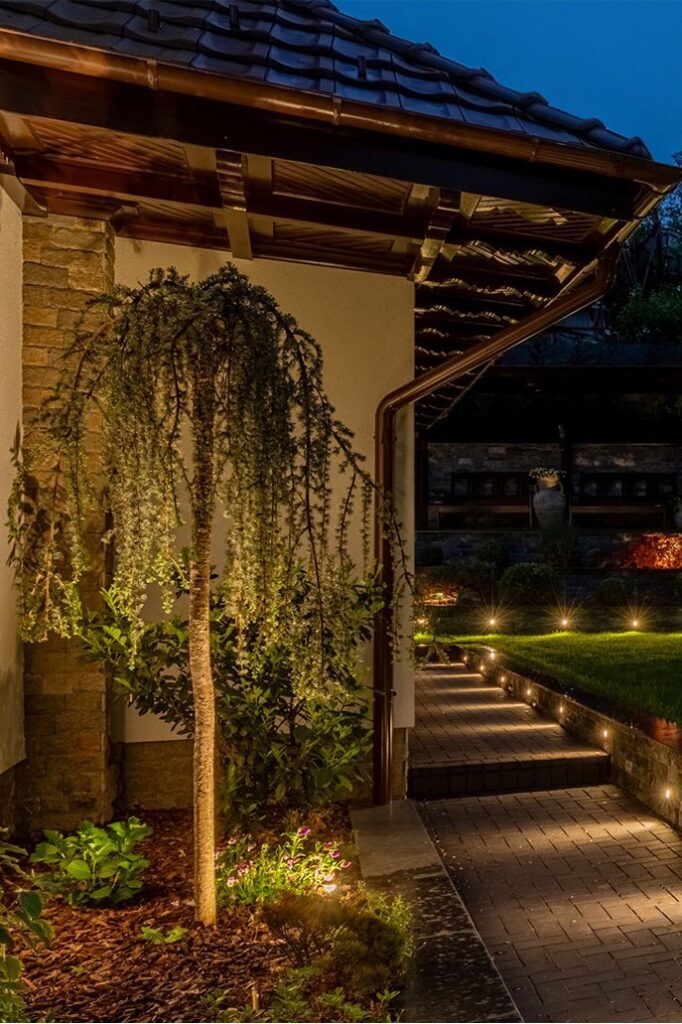
For paths or steps, youre after subtle guidancenot runway lights. Think low bollards, recessed step lights, or even tiny in-ground dots that lead the way without overpowering the dark.
Layer It Like You Would Indoors
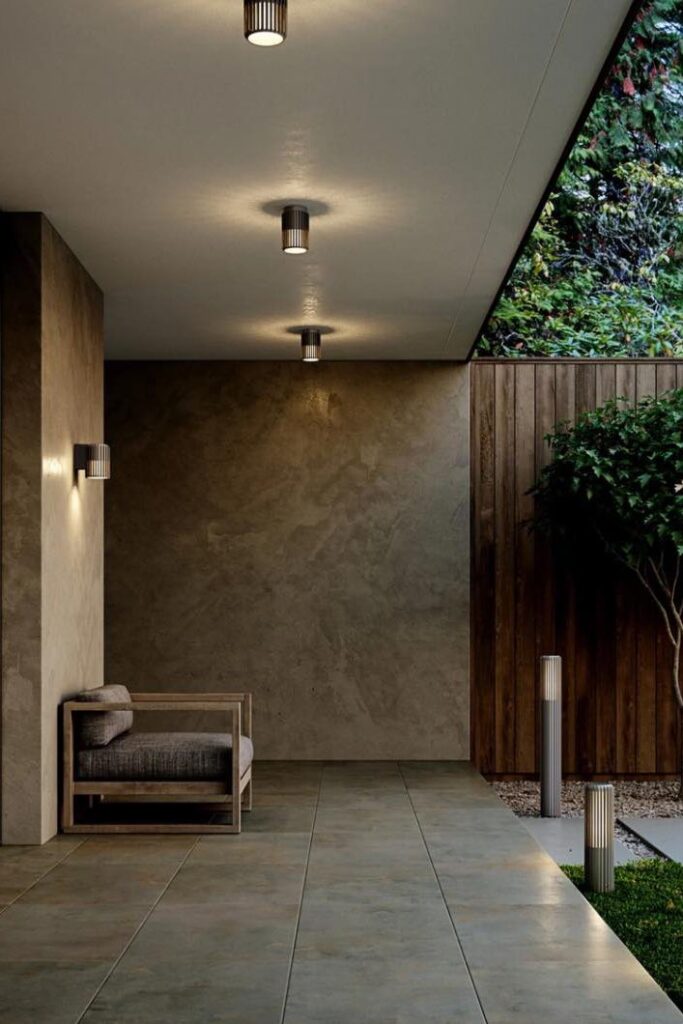
Good lighting is all about layering. Just like inside the house, you dont rely on a single overhead bulb in every room, right? Same idea outdoors.
Use ambient light (like wall sconces or overhead string lights) to softly define space. Add task lighting where you need itnear seating, stairs, or the BBQ. And sprinkle in accent lighting to show off a tree, a sculpture, or a climbing vine that deserves attention.
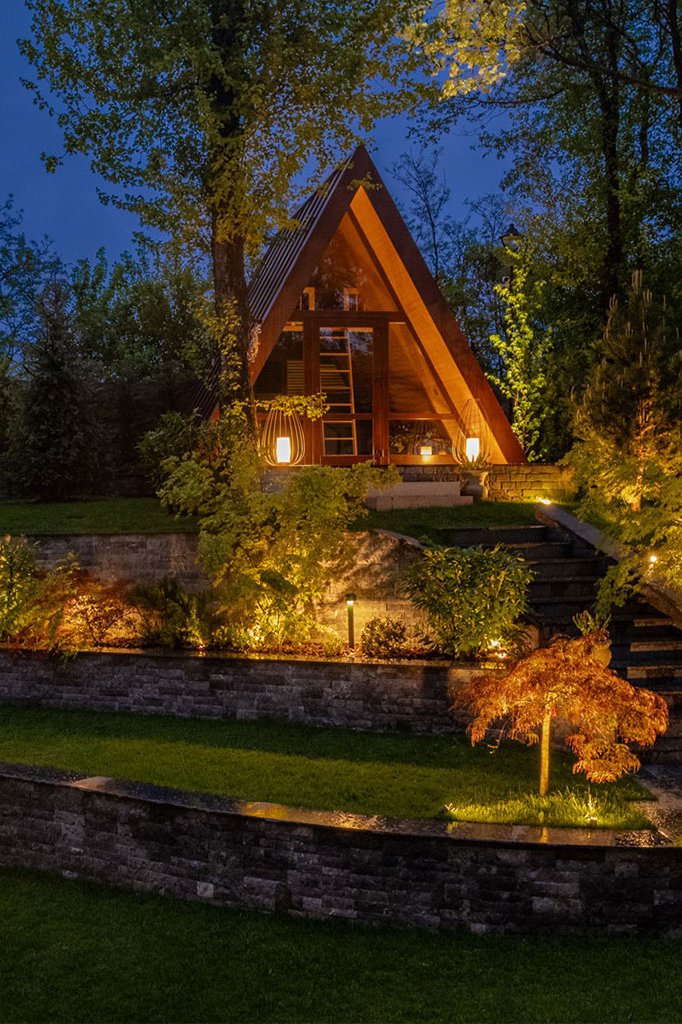
Its not about flooding the whole gardenits about giving depth. Shadows can be your friend.
Think About Temperature (The Light Kind)
This part gets overlooked a lot. Light temperature makes a huge difference in how your garden feels. A cool white light (think icy blue) might work for modern designs, but most gardens feel best under warm white tonessomething between 2700K and 3000K if youre checking packaging.
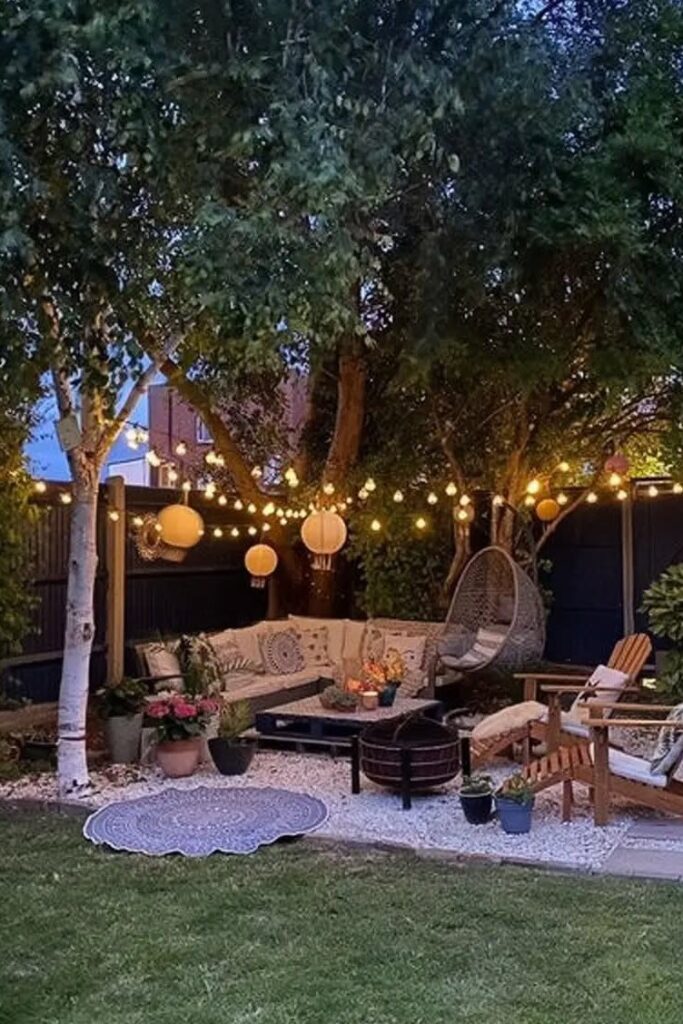
Warm light flatters greenery, makes wood glow, and just feels more natural in outdoor settings.
Highlight Nature, Dont Drown It

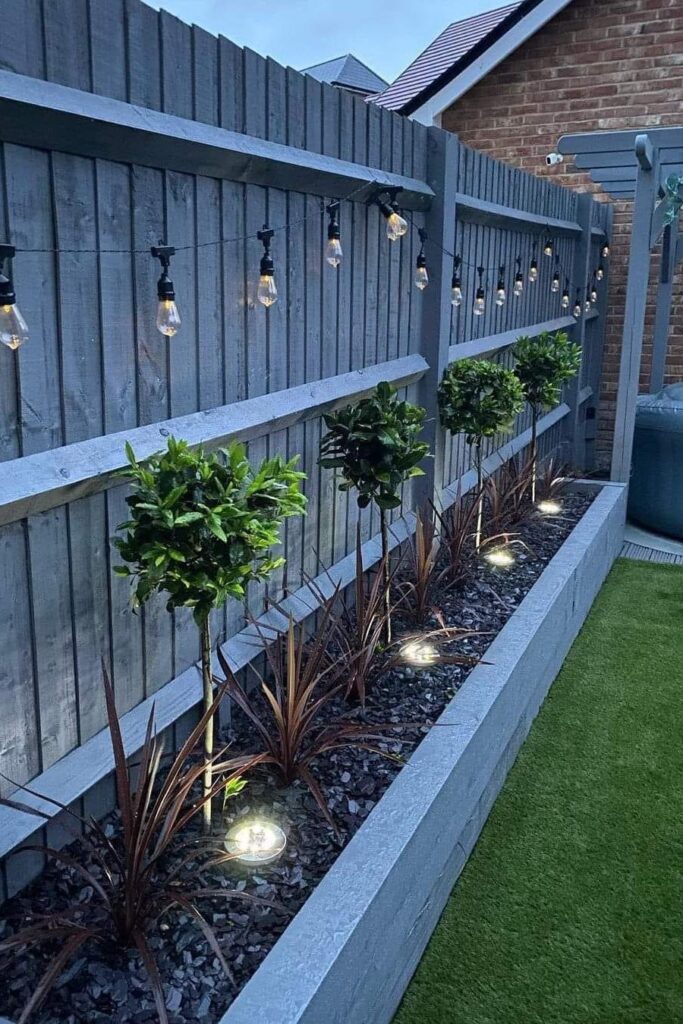
Good garden lighting doesnt fight with the plantsit highlights them. Aim spotlights upwards into trees to make the leaves shimmer. Light from the base of ornamental grasses to get those lovely shadows on the wall behind. Or tuck soft lighting into garden beds to make flowers pop after dark.
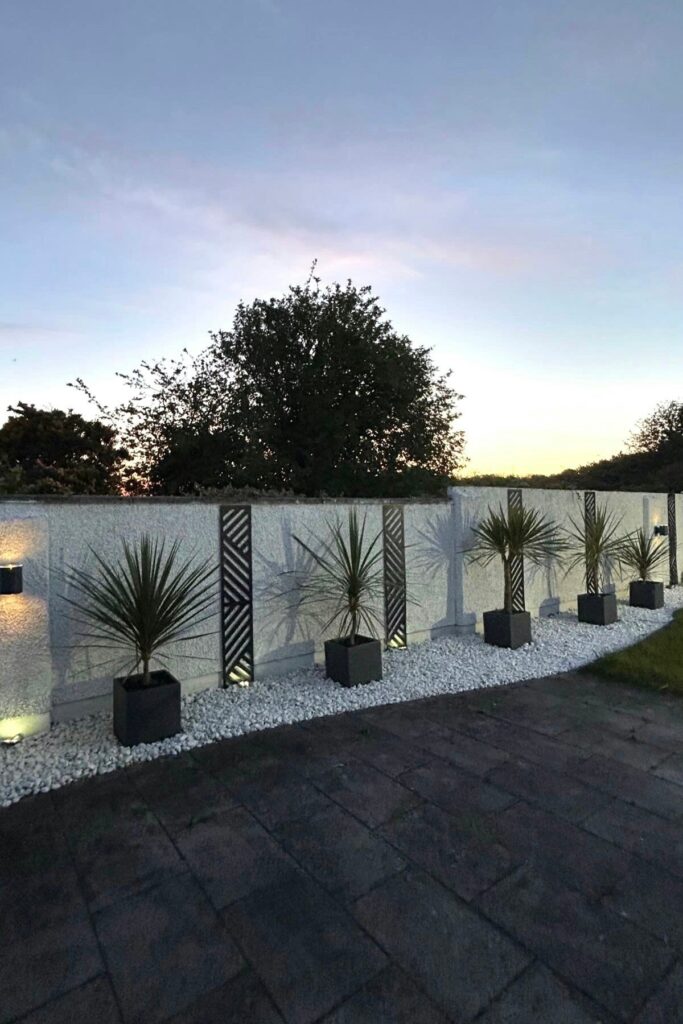
But dont overdo it. One light per tree is usually enough. If your garden glows like a sports stadium, youve gone too far.
Less Symmetry, More Story
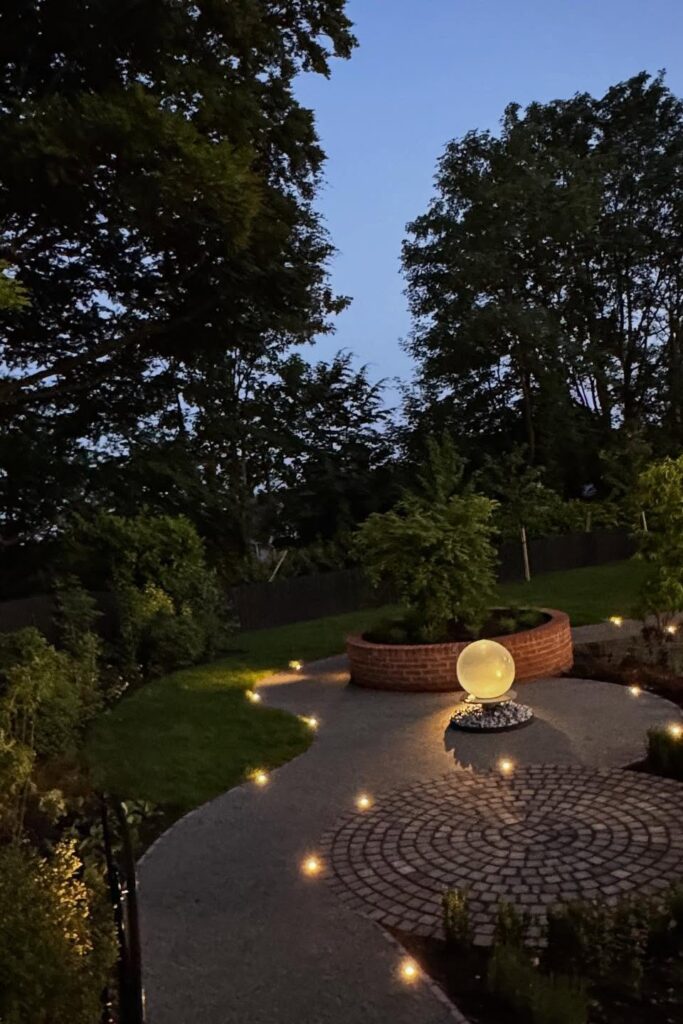
This might sound weird, but good outdoor lighting doesnt need to be perfectly symmetrical. In fact, the best setups usually arent. Gardens arent squareso your lighting shouldnt feel forced.

Instead, try spacing lights unevenly, varying their angles, and playing with shadows. Thats how you create something that feels organic. Like the space evolved that waynot like you installed it all in one weekend.
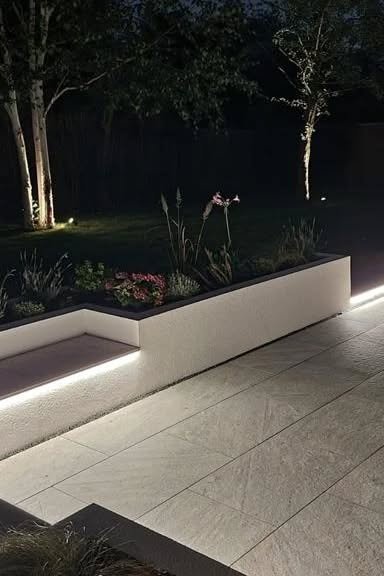
Use Darkness As a Design Element
Heres the secret: darkness isnt the enemyits part of the design.
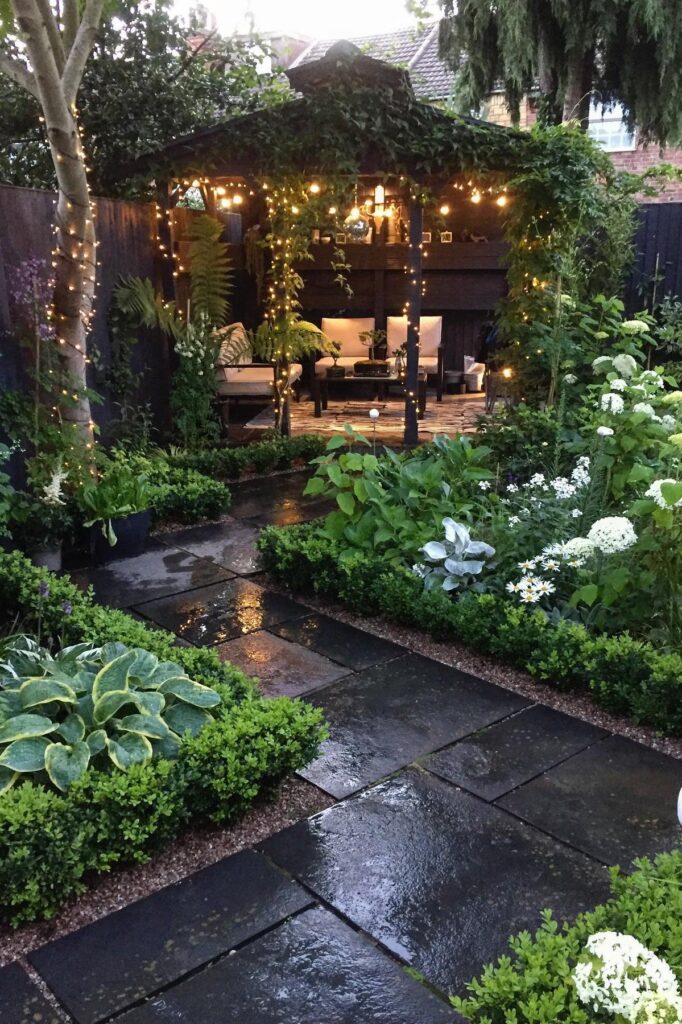
A well-lit garden isnt glowing from end to end. In fact, its often the dark areas that make the light feel special. Let parts of the yard fade into shadow. Let corners stay quiet. It creates mystery, depth, and lets your eye focus where it matters.

The Vibe Matters More Than the Voltage
At the end of the day, a good lighting setup doesnt have to be expensive or fancy. A few string lights, a well-placed solar spike near your favorite fern, maybe a soft uplight under the old tree in the backthat might be all it takes.
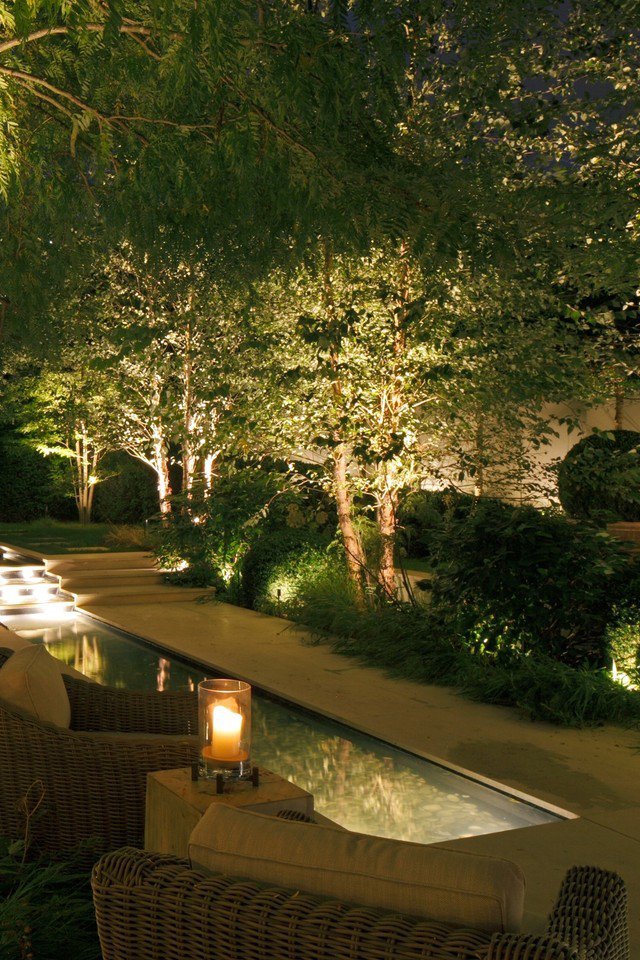
Its not about the gear. Its about the feeling.
And if your garden makes you want to stay out a little longer, even after the suns gone down? Then your lightings doing exactly what its meant to do.