Taming the Slope: Landscaping Ideas for a Steep Hill
If youve got a steep hill in your yard, youll know exactly what I mean when I say its both a blessing and a curse.
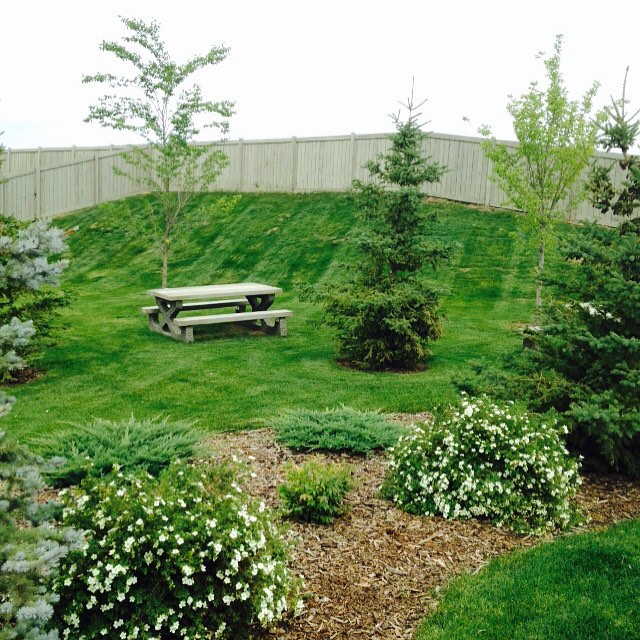
On one hand, theres potential for a stunning layered garden or a dramatic view. On the other hand¦ mowing?
Forget about it. Erosion? Constant worry. Slippery slopes? Been there, slid down that.
But heres the thingonce you stop trying to fight the slope and start working with it, that hill becomes a whole new opportunity. Trust me, it doesnt have to be a problem spot anymore.
Turn That Hill Into a Garden Stage
Slopes are naturally dramatic, so why not use that? Instead of planting randomly and hoping something clings on for dear life, think in layers.
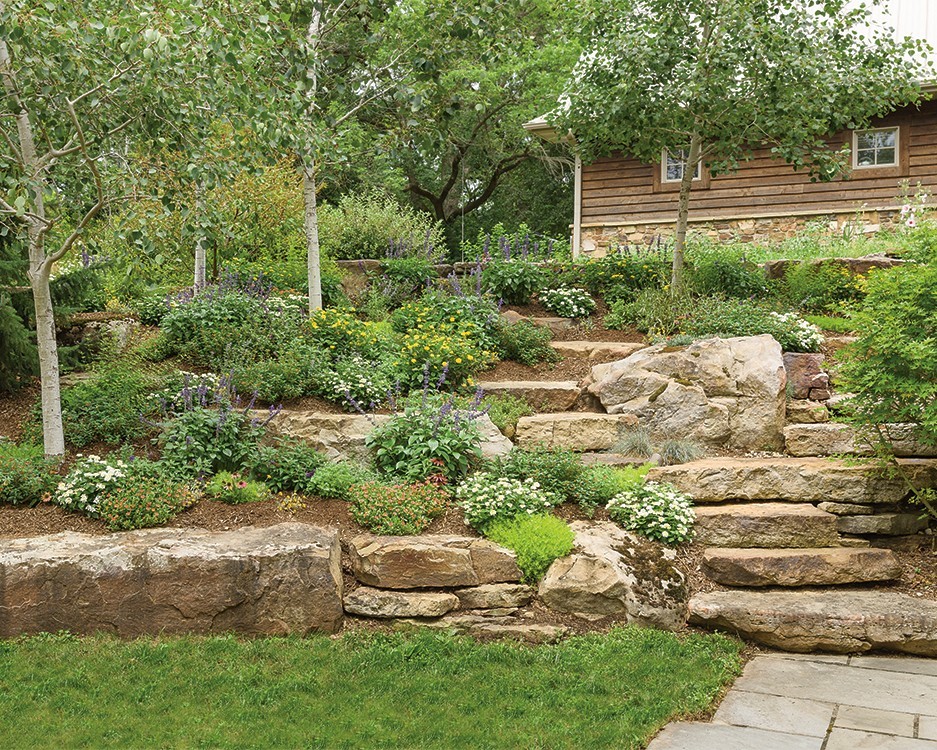
Literally. Terracing is the go-to move for steep hills. You can do this with natural stone, timber, or even recycled concrete blocks if youre after something more rustic.
Ive seen Kiwis here in Auckland turn the most frustrating inclines into multi-level veggie gardens, native shrub banks, and even seating tiers.
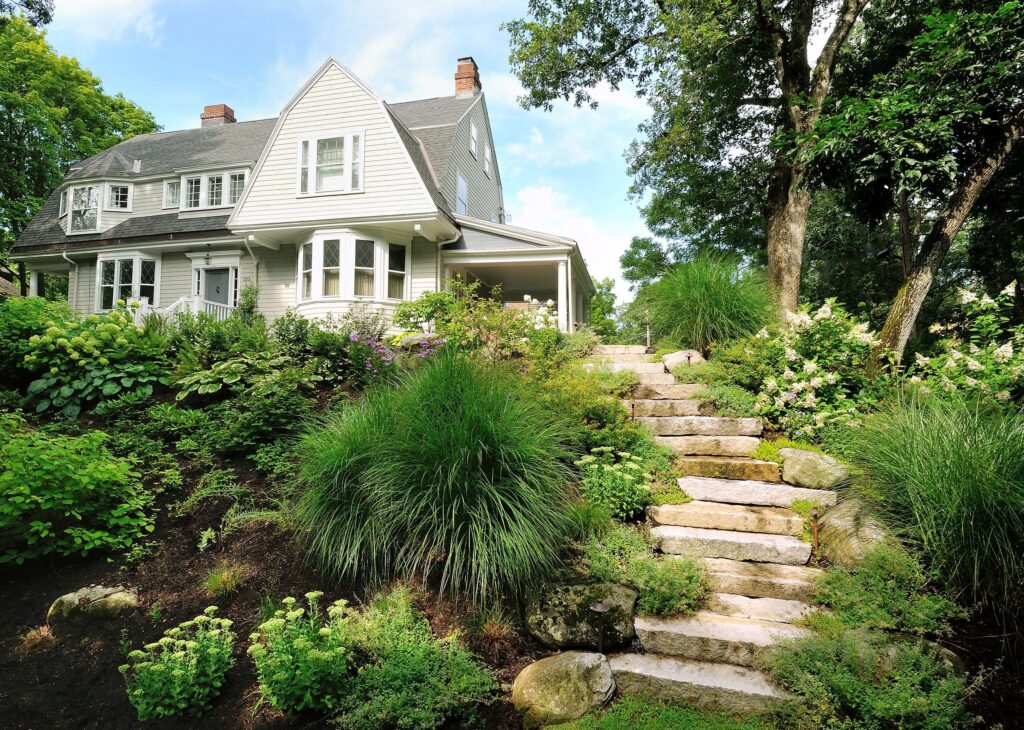
Its sort of like carving steps into the earth and saying, Right, were doing it my way now.
And when you break it up into levels, it becomes way easier to water, weed, and plant without doing an accidental somersault down the garden.
Let Gravity Do Some Work
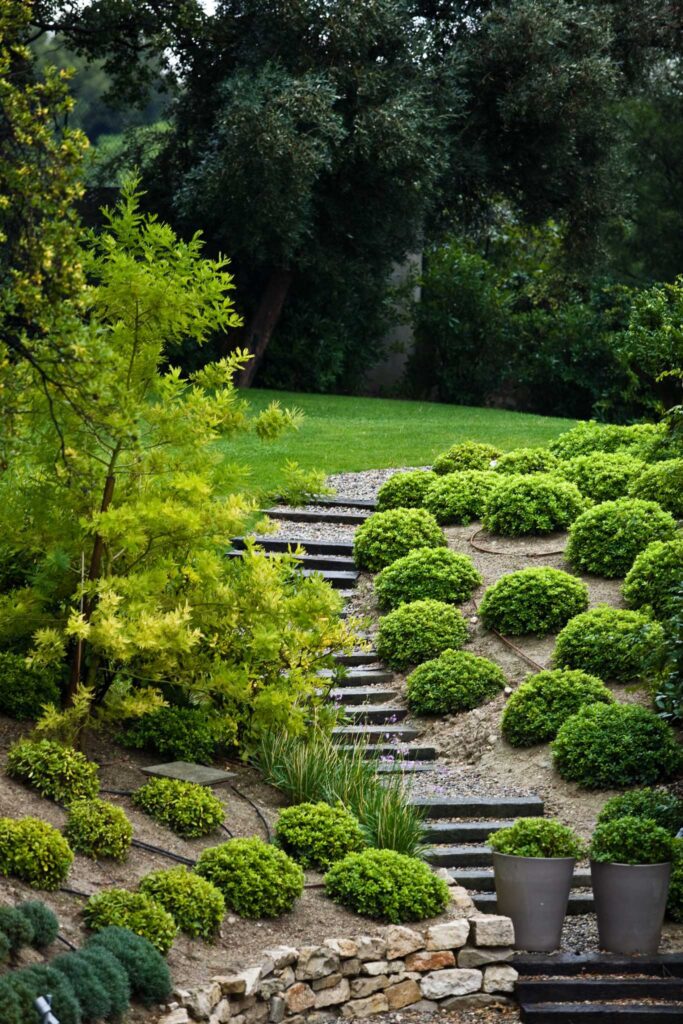
Water always wants to go downhill, so if youve got drainage issues, this is your moment to shine.
French drains, gravel trenches, or dry creek beds can help guide rainwater instead of letting it wash your topsoil away.
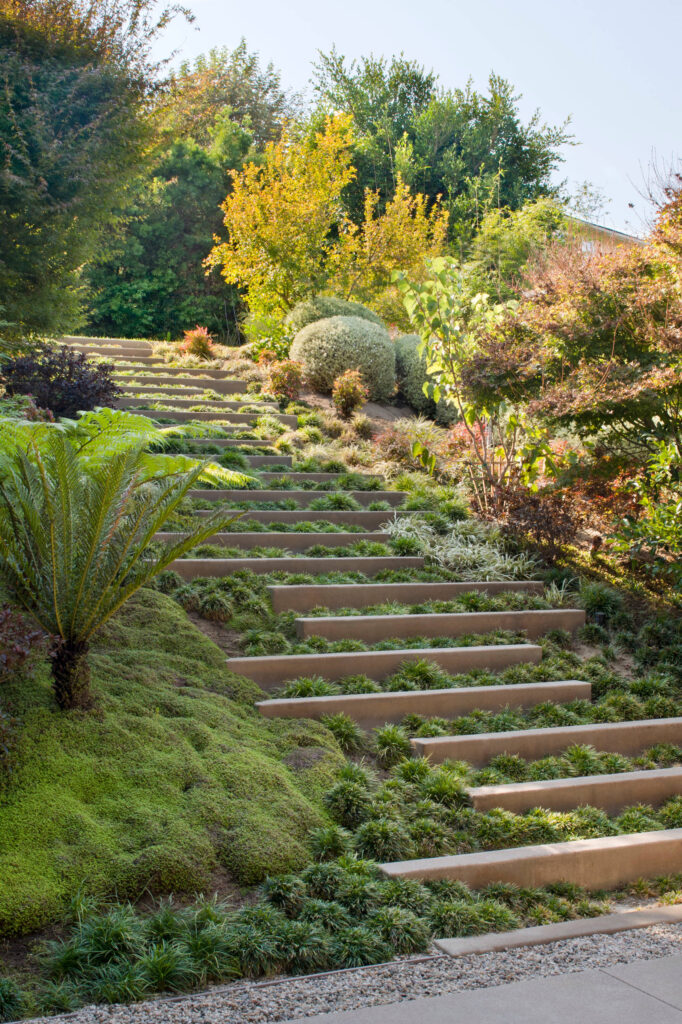
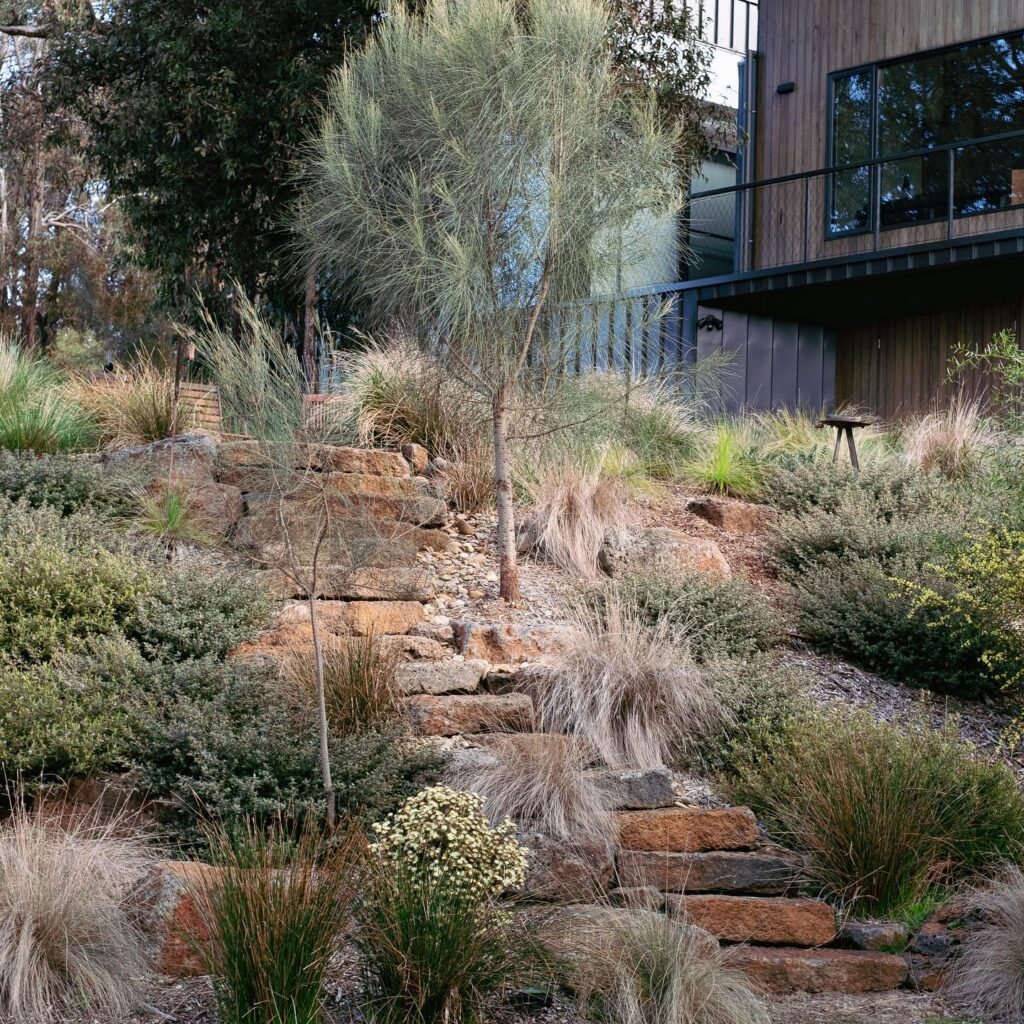
Even better, plant deeply rooted ground covers that act like natures nettingholding everything together while looking lush. Think creeping thyme, native grasses, or even succulents like sedum.
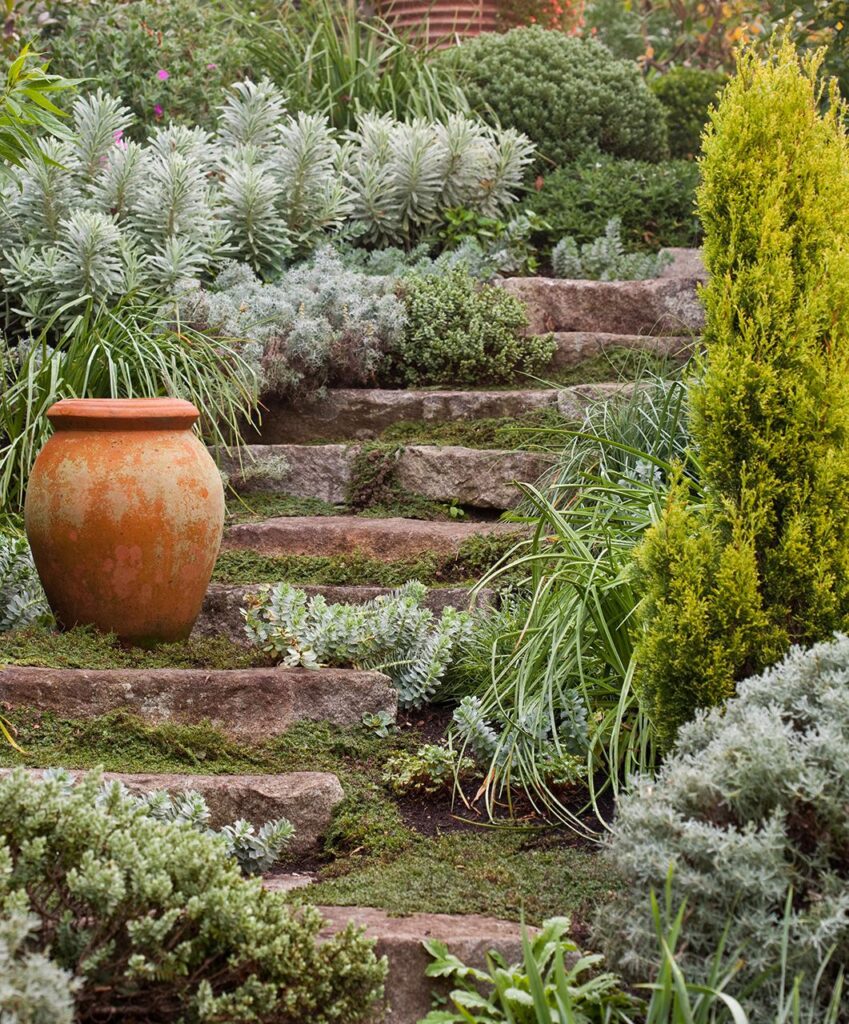
Theyre low-maintenance and pretty much indestructible. Which is what we need when the weather goes all-in with a surprise downpour (hello, Auckland spring).
Steps, Paths, and the Joy of Not Falling Over
If youre actually going to use that slopefor walking, access, or even just sitting with a cup of coffeeyoull want a path.
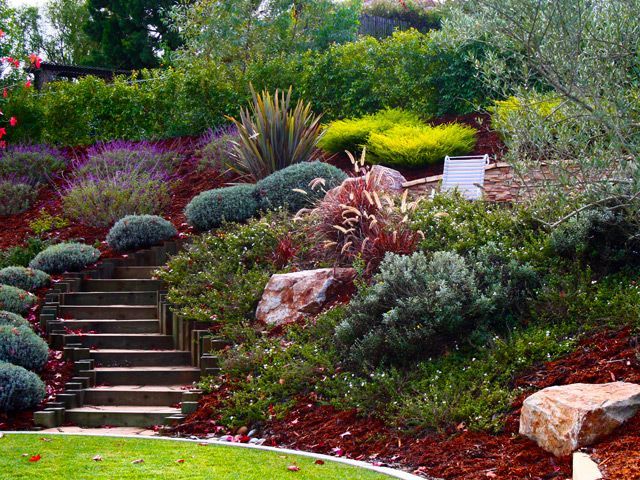
Not the muddy goat track that ends in a twisted ankle. A real path. Something with grip, rhythm, and intention.
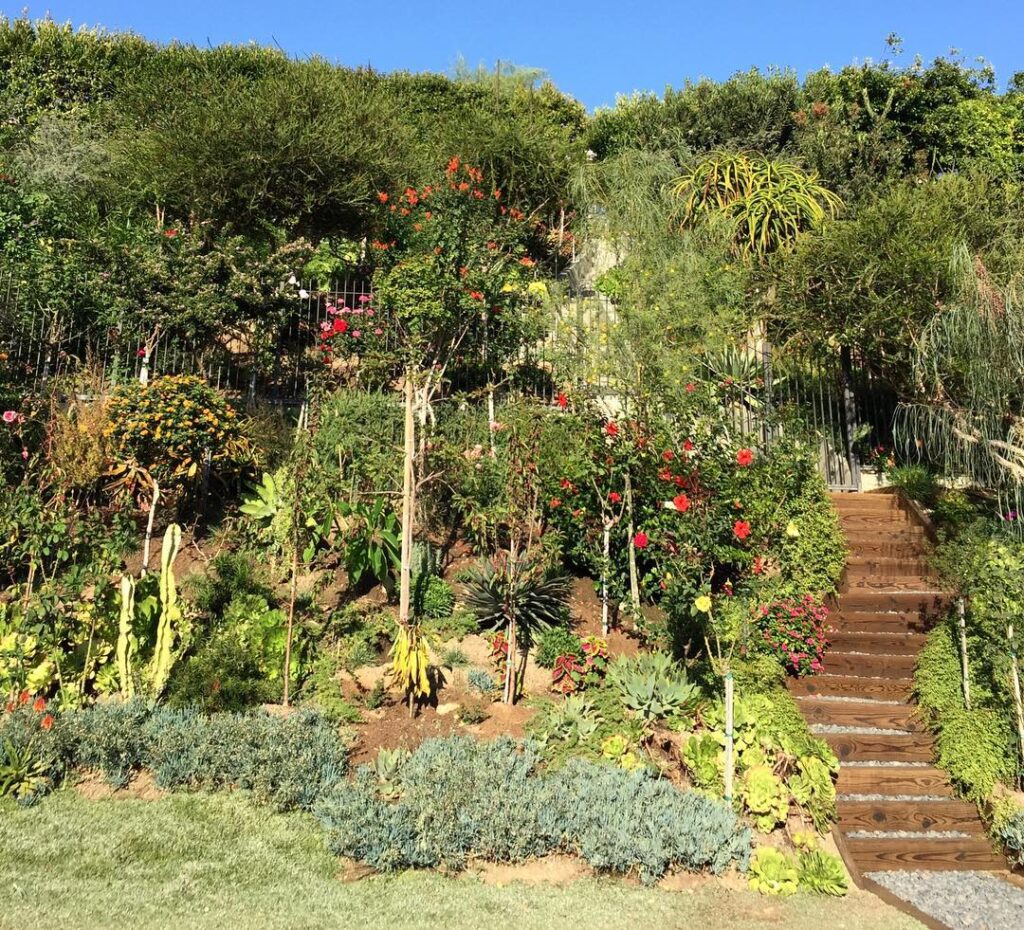
Natural stone steps look gorgeous and blend right into the landscape, but even railway sleepers or recycled bricks can work a treat.
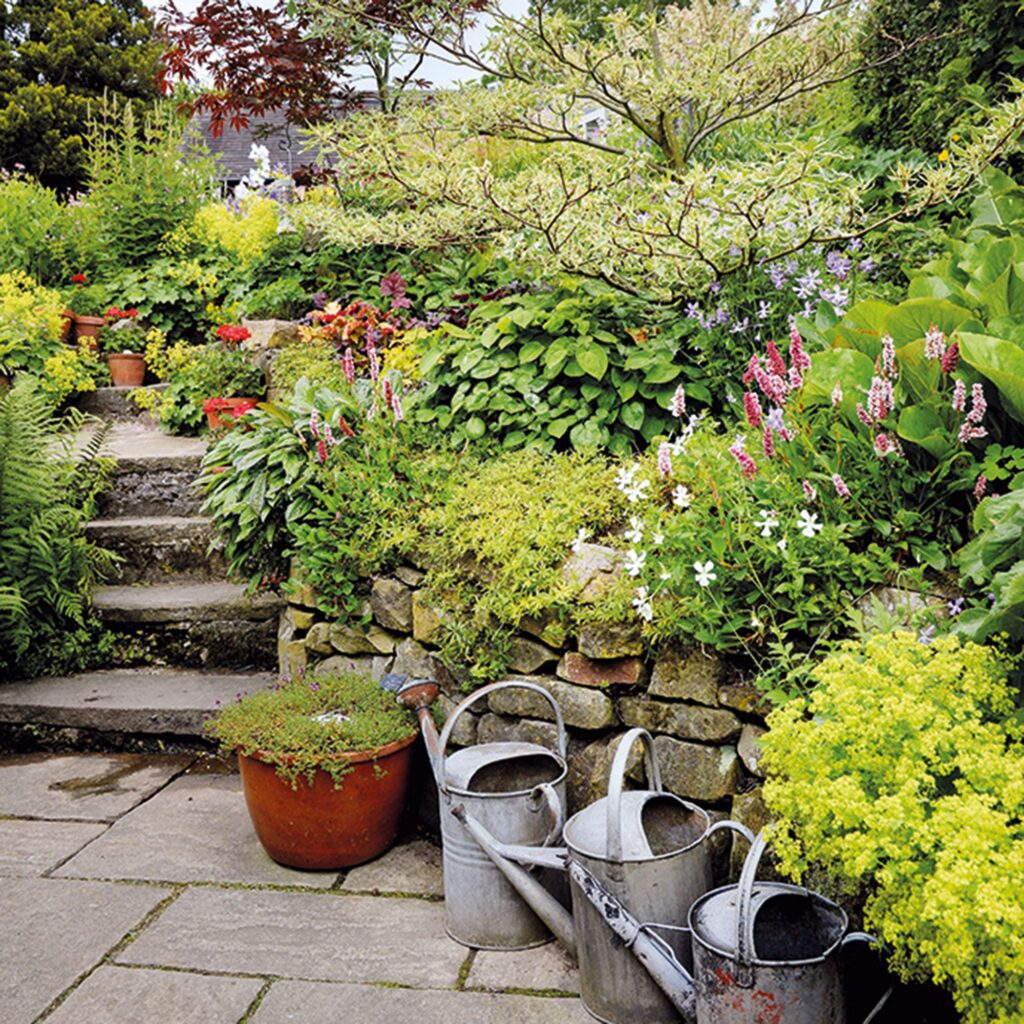
Just dont make them too narrow or steep. Think about how youll carry a watering can or balance a tray of lemonade on the way down. Or up.
Add a simple handrail if the inclines gnarlyit doesnt have to ruin the look. A timber post-and-rope setup feels more like a beach boardwalk than a safety rail.
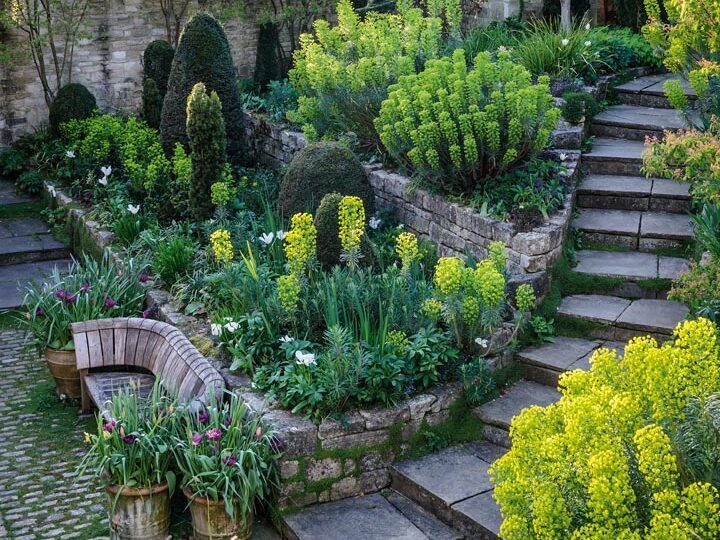
Feature Plants With Bold Personalities
When planting on a hill, I go for structure first. Big statement plants like flax (harakeke), dwarf trees, or ornamental grasses create visual anchors that draw your eye up or down the slope.
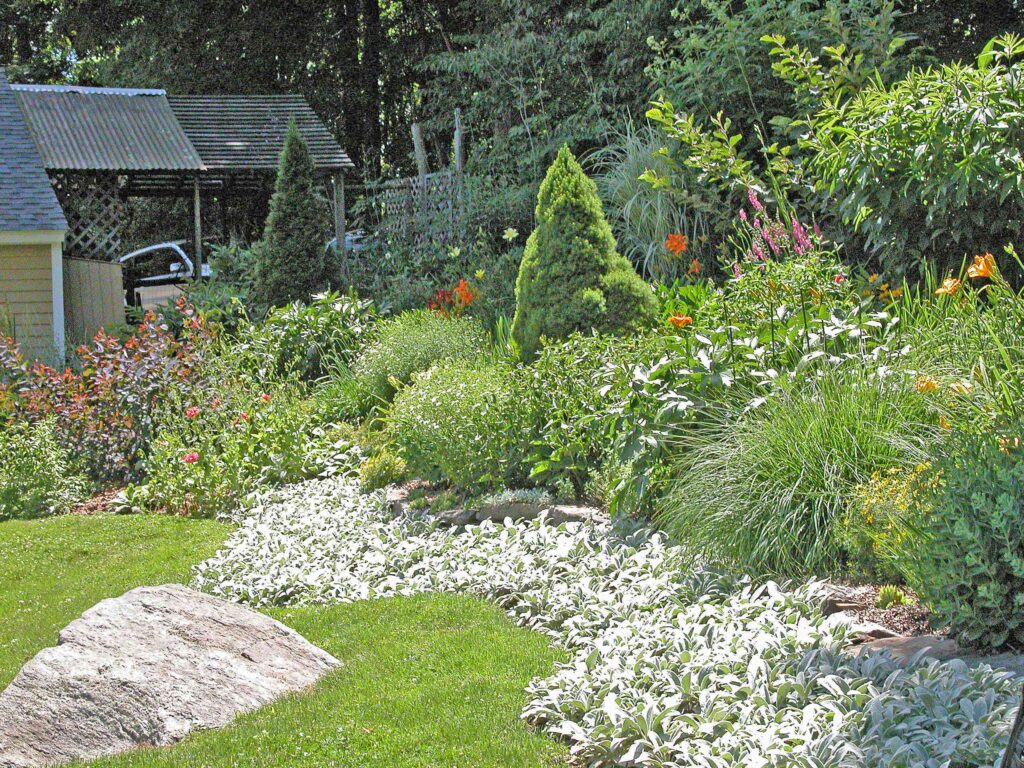
Then fill in the rest with hardy fillers that dont mind the incline. If youre dealing with wind (classic coastal issue), stick to toughies that wont get batteredlike hebes, rosemary, or lavender.
Clump in odd numbers, stagger them, and repeat patterns so it doesnt look chaotic. Even if the land is dramatic, the planting can still feel balanced and intentional.
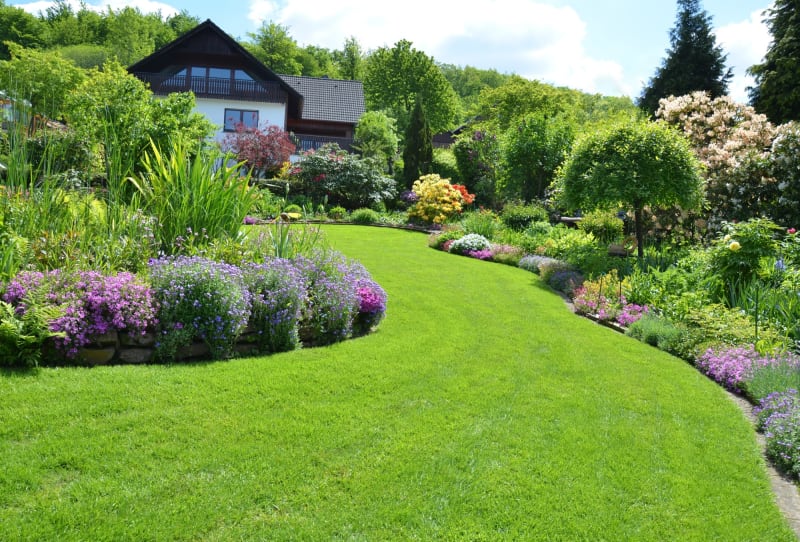
Lighting, Seating, and Other Finishing Touches
Once the slopes under control, dont forget to actually enjoy it. A levelled-out spot halfway down a hill can be the perfect perch.
Add a bench, maybe a fire bowl, and boomyouve got a hidden chill zone with a view.
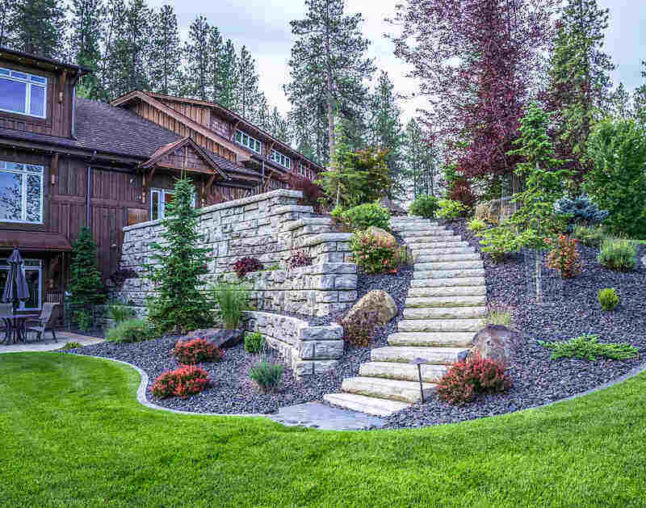
Low-voltage lights along stairs or paths help at night and add a bit of magic. Especially if youve planted silvery or reflective foliage that catches the glow.
What Used to Be a Headache¦
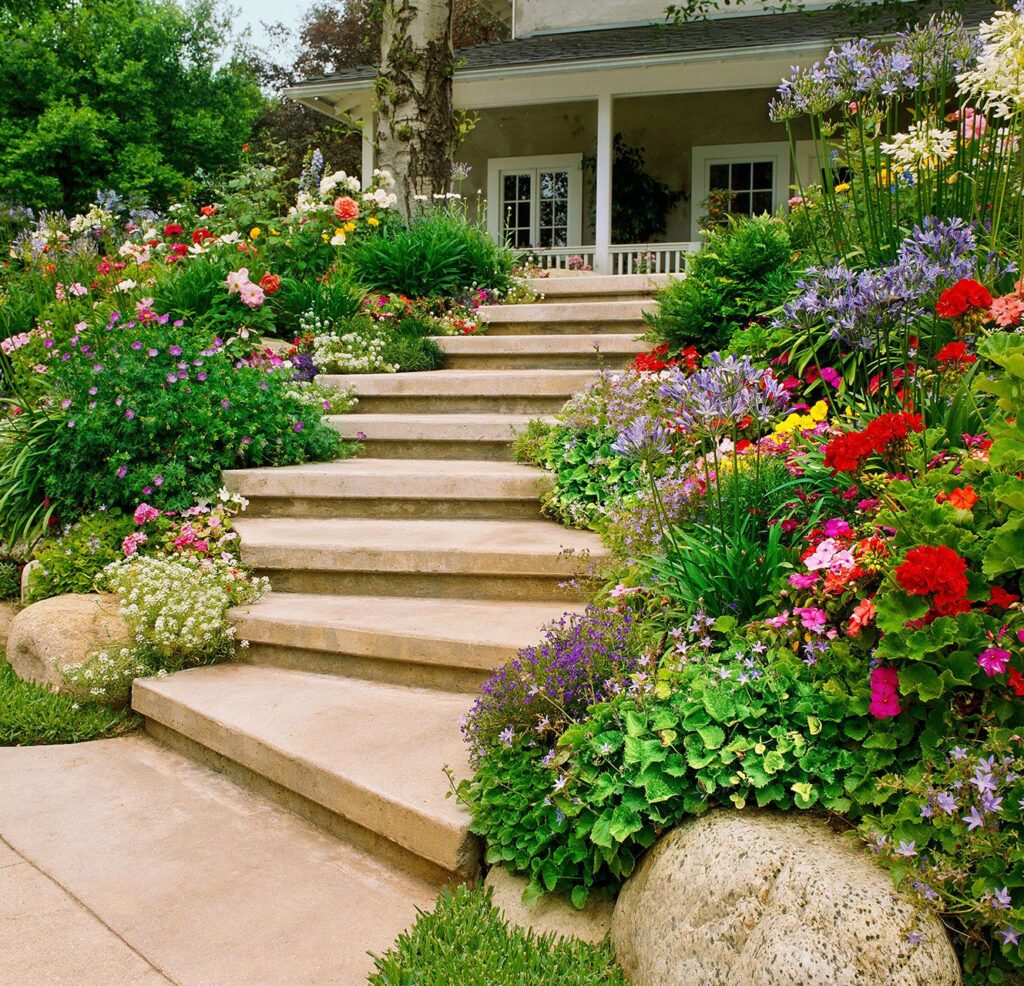
¦can actually turn into the standout part of your whole yard. It just takes a bit of planning, a few solid weekends, and probably a few strong coffees.
Hills arent always easy, but theyre never boringand when done right, theyre downright spectacular.
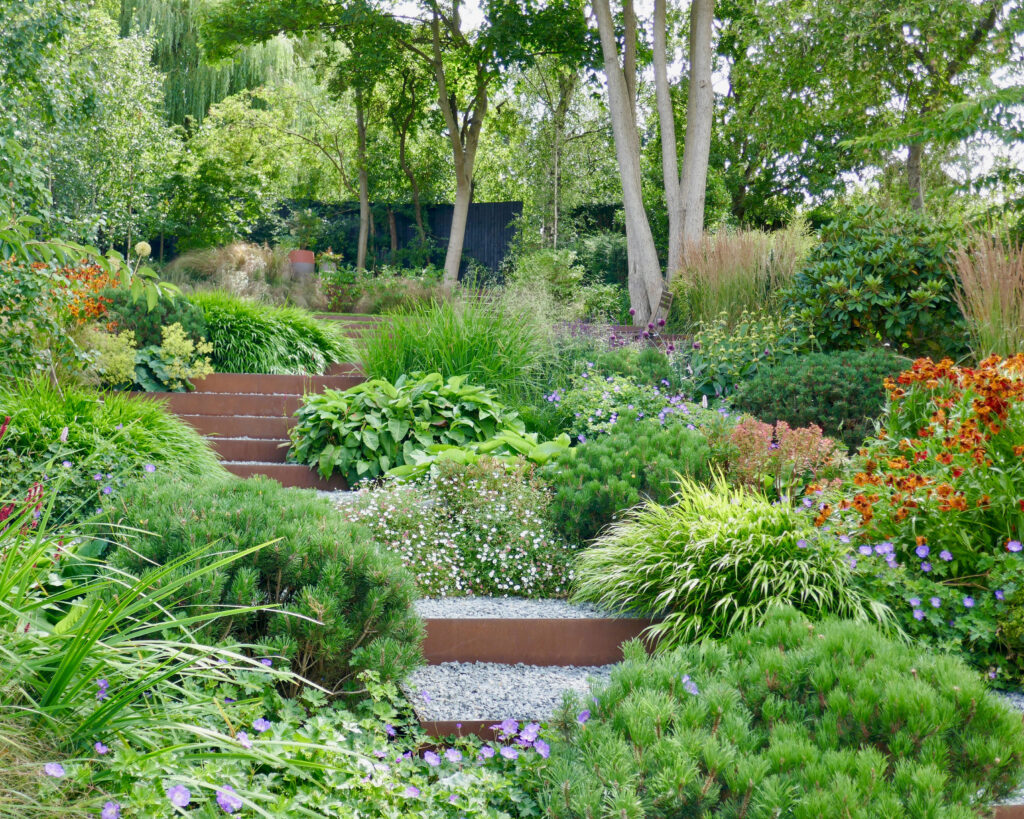
So if youve been staring at that steep patch of land like its mocking you, just know theres a way forward.
Terraces, steps, lush plants, and a few clever tricksand youll wonder why you didnt tackle it sooner.