10 Perennials You Should Plant This Fall
Planting in fall feels counterintuitive at first, right? Everythings slowing down, leaves are dropping, and the gardens about ready for a nap.
But dig a little deeperliterallyand youll see the genius behind it.
The soils still warm from summer, which gives roots a running start. The airs cooler, so plants arent sweating it out.
And since theres usually a bit more rain and less evaporation, you dont have to babysit them with the hose every day.
Basically, its a chill time for plants to settle in.
The Long Game: What You Gain by Planting Now
Youre not just planting for now. Youre setting yourself up for the future.
By the time spring rolls in, your fall-planted perennials will already have a solid underground system.
That means bigger blooms, stronger plants, and less panic when the planting rush hits.
Youll also be ahead of the crowd. While everyone else is racing to garden centers in early spring, youll be sipping your tea watching the buds break through like an old pro.
Best Perennials to Pop in the Ground This Fall
So, what exactly should you be planting? Lets break it down by mood and space.
For a Burst of Bold Autumn Colour
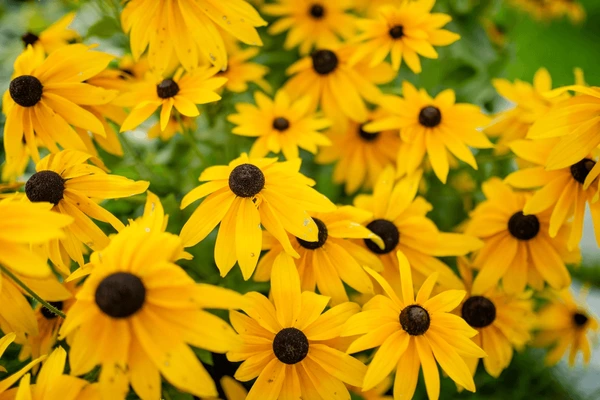
Black-Eyed Susans are the go-to for warm yellows and dark centers. Super hardy and great for pollinators.
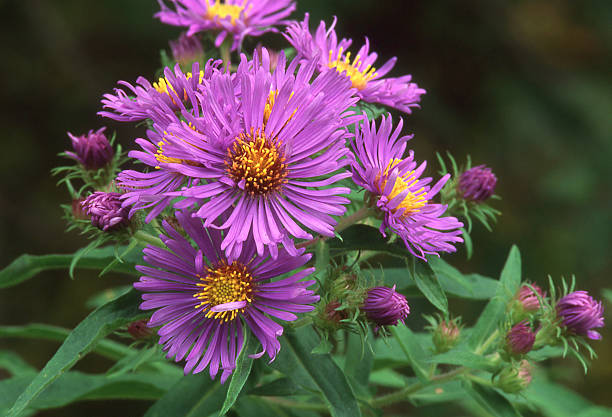
New England Asters bring that deep purple pop when the rest of the gardens fading to beige. Bees love them too.
For Summer-to-Fall Transition Beds
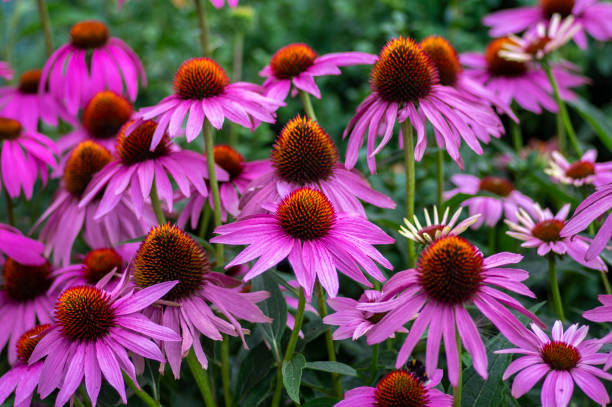
Coneflowers (Echinacea) are reliable, sun-loving bloomers that just keep giving. They blend seamlessly from summer to fall.
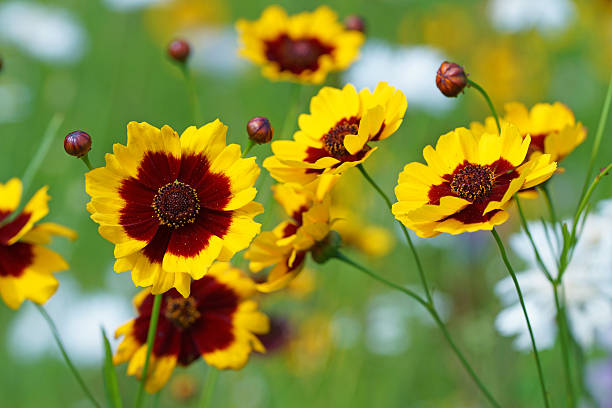
Coreopsis throws out daisy-like flowers in buttery yellows and reds that seem to go on forever.
For Texture and Foliage That Lasts
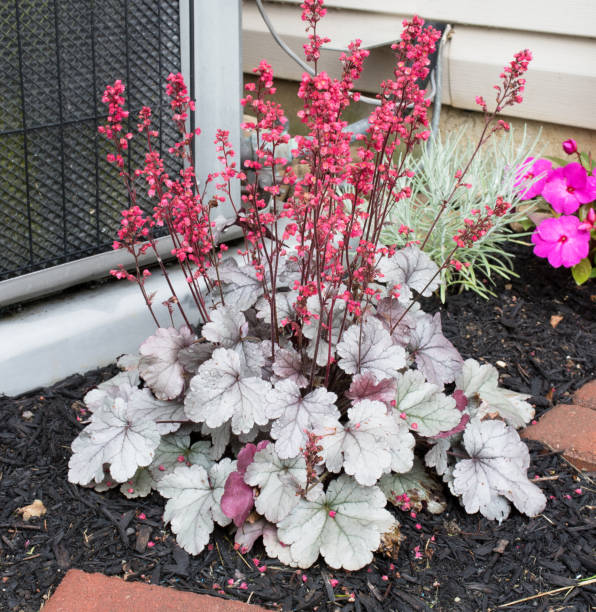
Coral Bells are all about that foliage gamesilver, burgundy, lime, and even speckled varieties. They look stunning even when not in bloom.
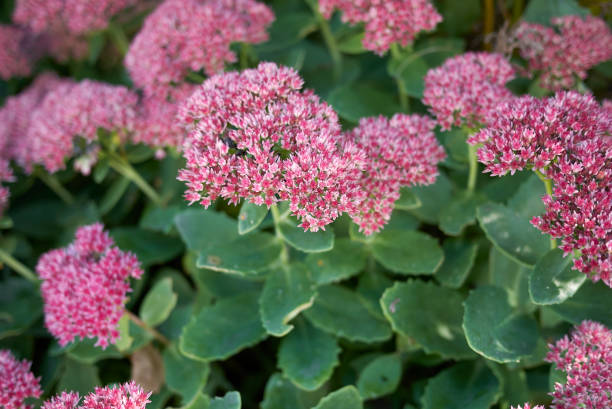
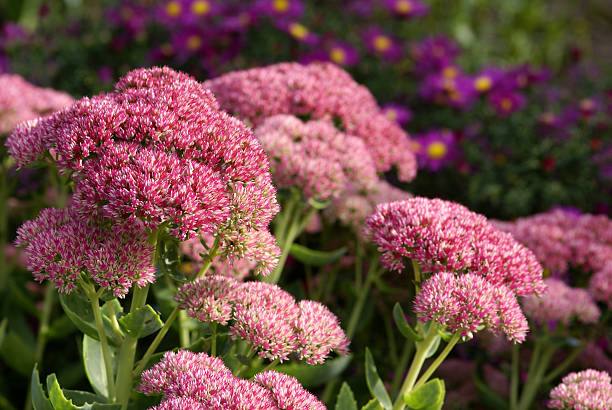
Sedum (Autumn Joy and friends) starts off green and finishes in a rusty pinkish-red. Holds its shape into winter too.
For Soft, Flowing Movement
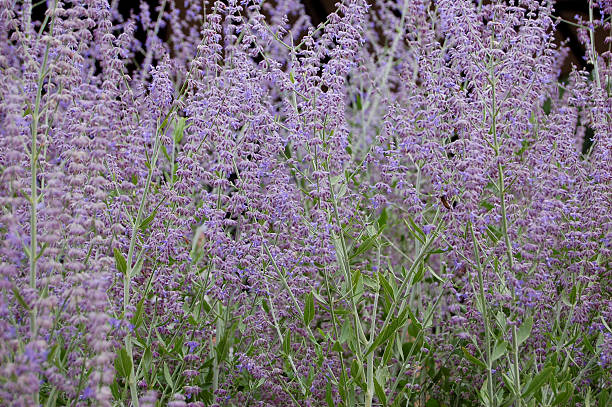
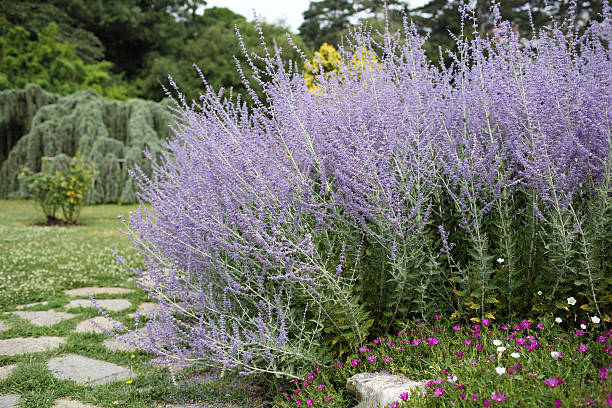
Russian Sage dances in the breeze with its long lavender-blue sprays and silvery stems. Great for that wild meadow look.
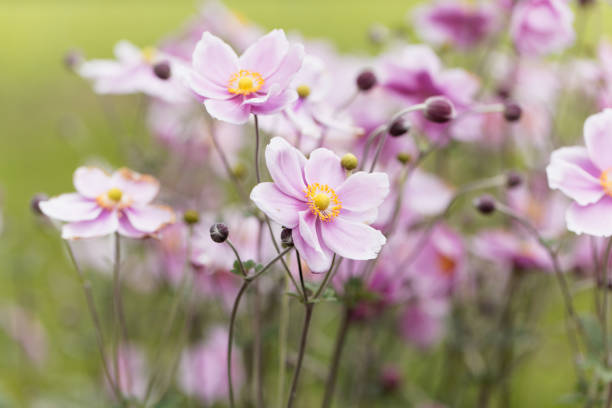
Japanese Anemones bring elegance and whimsy. Their soft white or pink blooms float above the foliage like little garden ghosts.
For Dry Spots and Low-Maintenance Areas
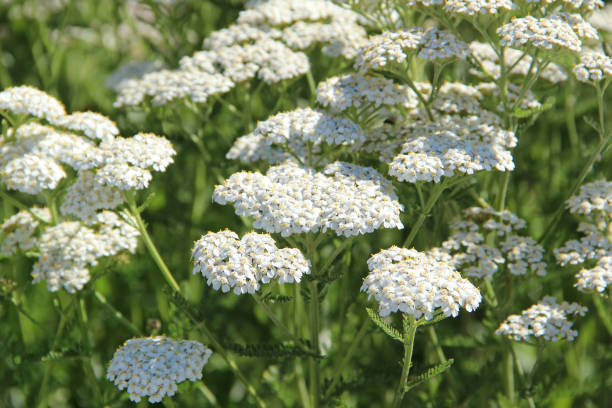
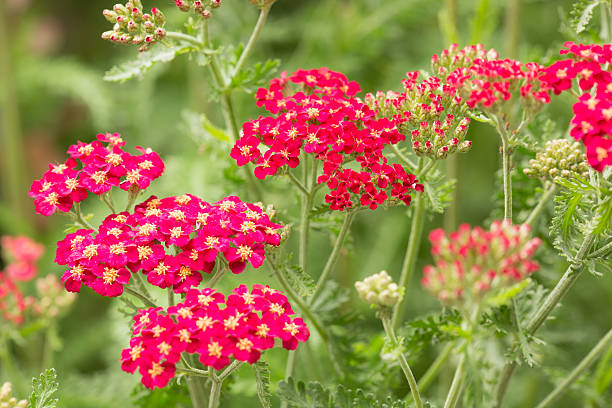
Yarrow is your best mate for dry corners. Its tough, resilient, and its flattened blooms are surprisingly striking.
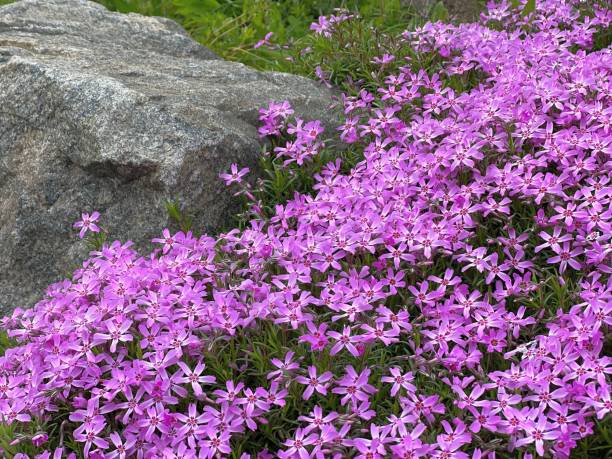
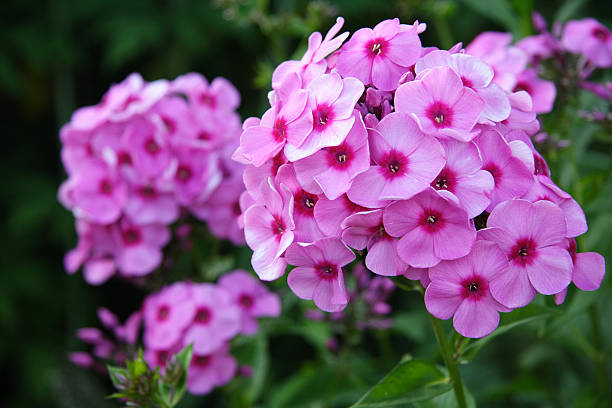
Phlox, especially the taller garden types, give you full-bodied colour and a lovely scentplus they hold up well in partial shade.
How to Plant (Without Overthinking It)
No need to get fancy. Just follow the basics:
- Choose a mild dayno frost, no heatwaves.
- Loosen the soil and mix in compost or old mulch.
- Dig a hole twice as wide as the root ball.
- Set the plant in with the crown level to the soil surface.
- Water it in gently and cover the area with mulch (but not directly on the stems).
Then let the season do the rest. Keep it moist, but not soggy, for a few weeks while it settles in.
What Happens Next?
Come spring, those fall-planted perennials will be miles ahead of anything you try to plant then. Theyll sprout faster, bloom stronger, and look like theyve been part of the garden for years.
Its like giving your future self a gifta garden thats already half grown before the season even starts.
The Final Nudge
Look, fall planting isnt about instant gratification. Its a quiet kind of prep work. But if you love the feeling of putting something in the ground and knowing itll surprise you months later, this is your moment.
Grab a few plants, dig a few holes, breathe in that earthy autumn smelland let the soil do its thing.